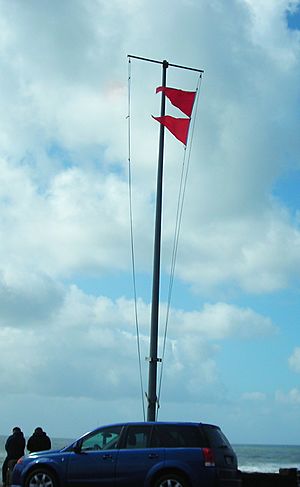
Introduction to Gale Warnings
Gale warnings are critical alerts issued by national meteorological services to indicate the potential for strong winds over sea and coastal areas. These warnings are pivotal to safeguarding lives and property, particularly for those who rely on the ocean for their livelihoods or recreational activities. Understanding gale warnings can help mariners, fishermen, and coastal residents prepare for severe weather conditions.
What is a Gale Warning?
A gale warning is triggered when sustained winds of 34 to 40 knots (39 to 46 miles per hour) are anticipated, or when waves are likely to exceed 10 feet. These warnings can be issued for a specific geographical area and are an essential tool for maritime safety. They forecast hazardous conditions that could pose risks to vessels and coastal structures. Recording an increase in gale warnings, meteorological agencies have noted that these notifications can help avert maritime accidents and ensure better preparedness among communities.
Recent Events
In recent weeks, several coastal regions in the United States have experienced gale warnings due to the changing weather patterns typical of this season. For instance, areas along the New England coast were under gale warnings last month as a strong cold front approached, bringing with it high winds and dangerous sea conditions. Such alerts are primarily aimed at commercial and recreational boaters who may not realize the severity of impending weather until it’s too late. Local authorities often advise residents and mariners to seek shelter and avoid unnecessary travel during such warnings.
The Significance of Gale Warnings
Gale warnings are not just notifications; they serve as a vital part of emergency preparedness and response systems. Mariners and fishermen are particularly impacted as they must make quick decisions regarding their safety. Barge operators and cargo vessels also depend heavily on these warnings to plan their routes and operations to avoid inclement weather. Coastal communities often take proactive measures, such as securing boats and reinforcing structures to minimize damage.
Conclusion
As climate change continues to influence weather patterns, the frequency and intensity of gale warnings may increase. Preparedness is key for all who live in or along coastal regions. Individuals and businesses need to stay informed by monitoring weather reports and heeding gale warnings to ensure safety. Ultimately, understanding the full implications of gale warnings can lead to better decision-making, which is vital for protecting lives and properties during severe weather conditions.