Introduction
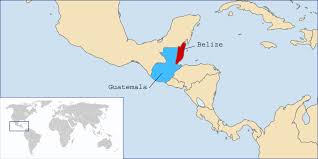
Guatemala is currently navigating a complex political landscape marked by significant challenges including corruption, social inequality, and the ongoing struggle for democracy. Recent developments underscore the importance of addressing these issues for the stability and prosperity of the nation. Analyzing Guatemala’s political situation is crucial for understanding broader trends in Central America, where governance and social issues are interconnected.
Current Political Climate
In recent months, Guatemala has witnessed a series of protests against President Alejandro Giammattei’s administration. Citizens, frustrated with rising corruption levels and the government’s perceived failure to tackle poverty, have taken to the streets to demand reforms. The protests escalated following the government’s efforts to suppress dissent, further igniting public outrage.
Key Events
One notable event was the legal challenges faced by former presidential candidate Bernardo Arévalo. After allegations of electoral misconduct, his party, Semilla, was at risk of being dissolved. This situation raised international concerns about the integrity of Guatemala’s electoral processes. The United Nations and other human rights organizations have voiced their support for democratic institutions in Guatemala, condemning any attempts to undermine political competition.
Additionally, the ongoing immigration crisis has linked Guatemala to broader regional dynamics, as many citizens flee to the United States seeking better economic opportunities. The root causes of migration are often attributed to a combination of violence, poverty, and political instability—all factors that continue to affect the daily lives of Guatemalans.
The Role of International Relations
International stakeholders have begun to pay closer attention to Guatemala, emphasizing the need for diplomatic efforts to promote stability. The U.S. government, in particular, has sought to cooperate with Guatemalan authorities to improve governance and combat corruption. However, critics argue that U.S. policies must also prioritize human rights and address the socioeconomic conditions that lead to migration.
Conclusion
The current political situation in Guatemala presents both challenges and opportunities. As the nation grapples with internal conflicts and external pressures, the path forward will require concerted efforts from both the Guatemalan government and international partners. Understanding these dynamics is essential for anyone interested in Central American politics and the significant implications for migration patterns and human rights in the region. Looking ahead, the ability of Guatemalans to advocate for their rights and push for reform could shape the future of the country, making it a focal point for observers of Latin American politics.