Introduction
The concept of a government shutdown has been a recurring theme in American politics, often ignited by partisan disputes over budgets and policies. Donald Trump, as the 45th President of the United States, played a pivotal role in shaping these events during his administration. Understanding the implications of government shutdowns, particularly during Trump’s tenure, allows for a deeper insight into their impact on the nation and its citizens.
Main Body
During his presidency, Donald Trump faced several government shutdowns, with notable occurrences in late 2018 and early 2019. The most significant shutdown lasted for a record 35 days, beginning on December 22, 2018, and ending on January 25, 2019. The shutdown was primarily a result of Trump’s insistence on funding for a border wall, which became a critical issue of his administration’s immigration policy.
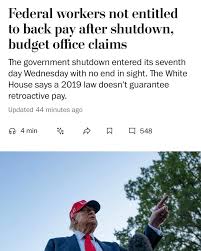
The government shutdown affected approximately 800,000 federal workers, many of whom were furloughed—meaning they were temporarily laid off without pay. Essential employees, including law enforcement and transportation security officers, were required to work without immediate compensation. This situation resulted in significant economic strain on government employees, many of whom struggled to make ends meet during the shutdown period.
Economic analyses indicated that the shutdown had broader implications, including a slowdown in economic growth, loss of productivity, and disruption of federal services. The Congressional Budget Office estimated that the lengthy shutdown cost the U.S. economy $11 billion, with around $3 billion deemed permanent losses due to delayed services and contract agreements.
Furthermore, the shutdown sparked widespread public criticism and protests, with citizens expressing frustration over the political stalemate that forced federal agencies to halt operations. Many saw it as a detrimental move that put political ambitions above the needs of ordinary Americans.
Conclusion
The legacy of Donald Trump’s approach to government shutdowns continues to resonate today, as it highlights the complexities of federal budget negotiations and the challenges of bipartisan cooperation. Looking ahead, political analysts suggest that shutdowns may continue to be a contentious tool in federal negotiations, especially with deeply divided political landscapes. For citizens, it underscores the importance of maintaining open lines of communication between government leaders and the electorate to ensure that the impact of such actions is understood and addressed. As long as political factions may struggle to find common ground, the risk of future shutdowns remains a pressing concern for the wellbeing of the nation and its governance.