Introduction
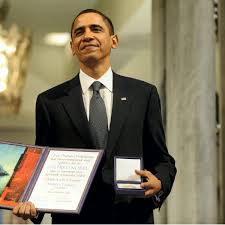
The Nobel Peace Prize is one of the most prestigious awards in the world, recognizing individuals or organizations that have made significant contributions to peace efforts. In 2009, former President Barack Obama was awarded this honor, a decision that sparked extensive debate and discussion globally. Understanding why he received this award is essential, not only to grasp his presidency’s legacy but also to comprehend the criteria behind such significant recognitions in the realm of global diplomacy.
Reasons for the Award
The Norwegian Nobel Committee awarded Obama the Nobel Peace Prize primarily for his ‘extraordinary efforts to strengthen international diplomacy and cooperation between peoples.’ The committee highlighted his vision and work for a world without nuclear weapons, citing his commitment to multilateral diplomacy as significant in a post-September 11 world.
During his first year in office, Obama took several notable steps to engage in international diplomacy. He sought to improve strained relations with the Muslim world, proposed the New START treaty to reduce nuclear arsenals with Russia, and emphasized the importance of addressing global issues cooperatively, from climate change to economic inequality. The committee felt that these initiatives represented a departure from the previous administration’s unilateral approach to foreign policy.
Reactions and Controversies
Obama’s award elicited mixed reactions. Some praised the decision as a reflection of hope and a catalyst for future diplomatic efforts. Others criticized it, arguing that the prize was premature and that Obama had yet to achieve notable accomplishments in foreign affairs at the time of the award. Critics contended that awarding the prize for promises rather than proven results set a concerning precedent for the Nobel Committee.
Additionally, some noted contradictions in Obama’s foreign policy actions after receiving the award. His administration continued military interventions, including those in Libya and Syria, which led to further scrutiny and debate on whether his tactics aligned with the principles of peace the Nobel Prize embodies.
Conclusion
Barack Obama’s Nobel Peace Prize serves as a complex reminder of the interplay between hope, diplomacy, and the reality of global politics. While awarded for aspirations toward peace and collaboration, the subsequent actions of his administration continue to fuel discussions on the efficacy of such awards in promoting genuine progress. As the world reflects on the implications of his presidency and the relevance of the Nobel Peace Prize, it remains clear that the dialogue surrounding international diplomacy is as vital as ever in the pursuit of peace.