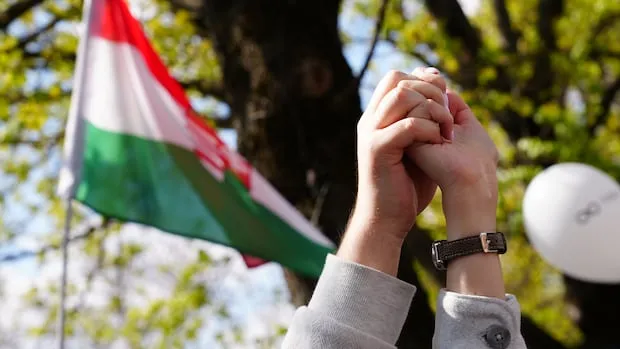
Viktor Orbán has been in power for 16 years, and his government has been characterized by a push towards an illiberal democracy. As Hungarians head to the polls in a parliamentary election, the stakes are higher than ever, with the potential to end Orbán’s lengthy reign as Prime Minister.
Opinion polls indicate that Orbán’s Fidesz party may face a significant challenge from the opposition Tisza Party, led by Péter Magyar. This election is being closely watched, as it could mark a pivotal shift in Hungary’s political landscape.
Orbán, the European Union’s longest-serving prime minister, has faced increasing criticism for consolidating power and undermining democratic institutions. His administration has been accused of controlling the judiciary and media, leading to concerns over Hungary’s democratic backsliding.
Moreover, billions of euros in EU funds have been frozen due to these concerns, further complicating the political climate. The election is being monitored by local and international observers, including the OSCE, to ensure transparency.
Hungarians do not directly elect the prime minister but choose 199 members of parliament, making this election crucial for shaping the future of governance in the country. However, the electoral process has been criticized for gerrymandering that favors the ruling party.
As voters cast their ballots, emotions run high. “I’m really scared … to be honest,” said Gergely Lázár, reflecting the anxiety many feel about the outcome. Meanwhile, Péter Magyar emphasized the significance of the moment, stating, “Hungarian history is being written here on streets and squares.”
Roland Kósa, another opposition figure, expressed frustration with the current government, saying, “When we got elected, what we faced even before and after is that Fidesz basically looked through us and said and thought we do not exist – this is still their city, this is still their country.”
As the results begin to unfold, observers are keenly watching to see if the Tisza Party can capitalize on the growing discontent and unseat Orbán. The implications of this election extend beyond Hungary, potentially affecting its relationship with the European Union and its stance on issues like support for Ukraine.
What happens next will depend on the voters’ decisions today, with many hoping for a change in direction for Hungary’s future.