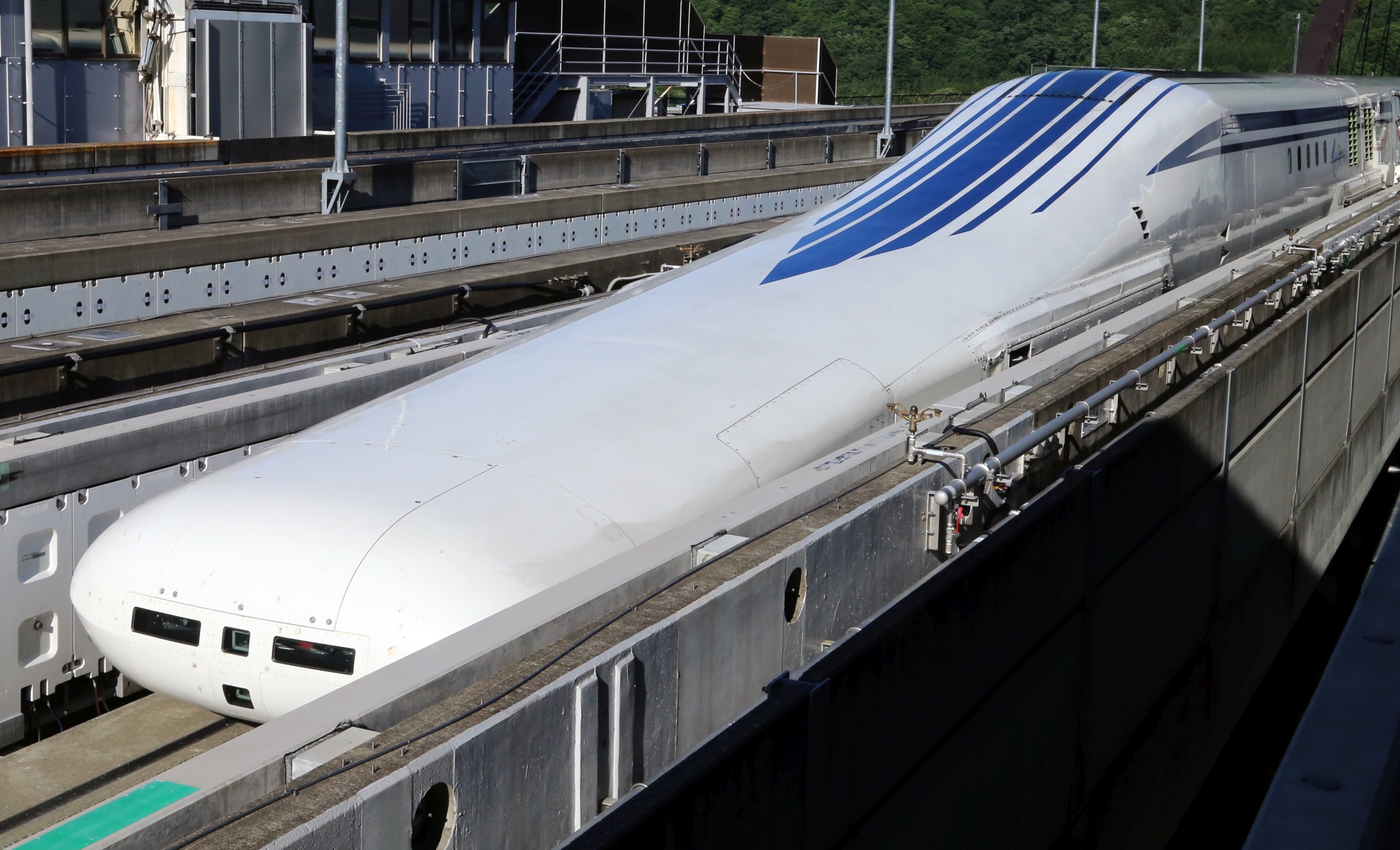
Introduction to Maglev Technology
Maglev, short for magnetic levitation, is a cutting-edge transportation technology that eliminates the need for traditional wheels and tracks. It operates on the principle of magnetic forces to lift and propel vehicles, allowing for incredibly high speeds and reduced friction. With growing interest in sustainable and efficient travel options, the relevance of maglev technology has surged in recent years, making it a significant topic in transportation discussions globally.
Recent Developments in Maglev Systems
In October 2023, China’s Shanghai maglev line celebrated its 20th anniversary, showcasing its success as the world’s first commercial maglev train. The train, which reaches speeds of 431 kilometers per hour (268 mph), has been instrumental in connecting the city to its airport, significantly reducing travel time. Meanwhile, Japan continues to develop its own maglev train system, the Chuo Shinkansen, which aims to connect Tokyo and Nagoya at speeds of up to 600 kilometers per hour (373 mph) by 2027.
Moreover, European countries are exploring partnerships to develop cross-border maglev networks, with Germany and the Netherlands leading discussions about creating interconnected maglev routes. Germany’s Transrapid system has already demonstrated the viability of maglev in urban settings, and plans are underway to expand its use to more cities.
Advantages of Maglev Technology
The advantages of maglev are numerous. Firstly, it offers a significant reduction in travel time compared to conventional rail systems. Secondly, the absence of physical contact between the vehicle and the track means less wear and tear, leading to lower maintenance costs. Furthermore, maglev trains are quieter and produce fewer emissions, aligning with global goals for sustainable transportation.
Challenges and Future Prospects
Despite its potential, maglev technology faces several challenges, particularly in terms of funding and infrastructure development. The high initial investment required to build maglev lines has deterred many governments from fully committing to the technology. Additionally, concerns about safety and the integration of maglev systems with existing transportation networks remain significant obstacles.
Looking ahead, experts predict that advancements in technology and increasing public demand for faster, cleaner transportation will drive further development of maglev systems worldwide. As countries seek innovative solutions to meet their transportation needs, maglev has the potential to play a crucial role in shaping the future of travel.
Conclusion
Maglev technology represents a remarkable advancement in transportation, promising to not only enhance speed and efficiency but also to support sustainable travel. As various nations invest in research and infrastructure, the realization of extensive maglev networks may soon become a reality, fundamentally transforming how we think about transportation.