Introduction
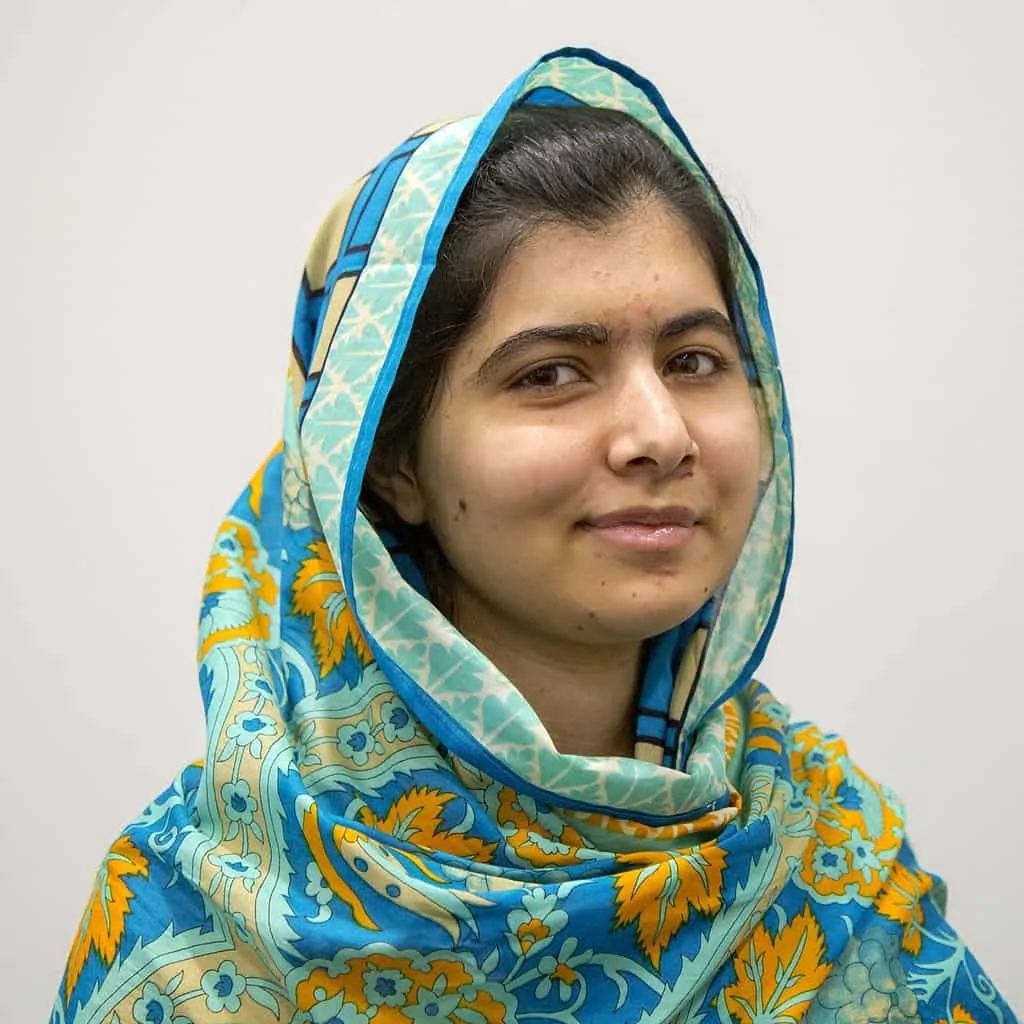
Malala Yousafzai is a name synonymous with courage and resilience in the fight for education and women’s rights. Born on July 12, 1997, in Mingora, Pakistan, Malala rose to international prominence after surviving an assassination attempt by the Taliban in 2012. Her story is not just one of personal triumph over adversity but also a profound reminder of the importance of education, particularly for girls in impoverished regions. Her ongoing activism highlights the challenges faced by many in accessing education and the need for global awareness and action.
Recent Developments in Malala’s Activism
In recent months, Malala has continued to advocate for education on various platforms, addressing issues exacerbated by the COVID-19 pandemic, including school closures affecting millions of children worldwide. During a 2023 conference on global education, she emphasized the urgent need to support initiatives that invest in the education of girls, particularly in conflict zones. Her foundation, the Malala Fund, has promoted numerous projects aimed at increasing access to schooling for girls in countries such as Afghanistan, Nigeria, and India.
The Malala Fund recently announced a new initiative to provide scholarships to young girls seeking higher education in technology and science fields. This move aims to encourage more females to enter traditionally male-dominated industries, reflecting Malala’s commitment to fostering not only access to education but also ensuring that girls can pursue careers that empower them economically.
Recognition and Impact
Malala’s work has garnered global recognition, leading to various awards, including the Nobel Peace Prize in 2014, which she shared with Kailash Satyarthi. Her acceptance speech made headlines as she brought attention to the struggles of children worldwide, highlighting the need for collective action to ensure that education is a universal right.
In addition to her philanthropic efforts, Malala’s story has inspired countless individuals and movements advocating for education reform. Her autobiography, “I Am Malala: The Girl Who Stood Up for Education and Was Shot by the Taliban,” continues to resonate with readers and serves as a tool for advocacy in schools and communities around the world.
Conclusion
Malala Yousafzai’s influence extends beyond her personal narrative; she symbolizes the struggles faced by many girls striving for education and the transformative power of knowledge. As she continues her efforts in championing education and equality, her message remains clear: Every girl has the right to learn and thrive. In a world still grappling with educational inequities, Malala’s work reminds us that activism can lead to change, urging society and policymakers to prioritize education for all. Her journey reflects hope, the importance of resilience, and the necessity for collective responsibility in creating a brighter future for generations to come.