Introduction
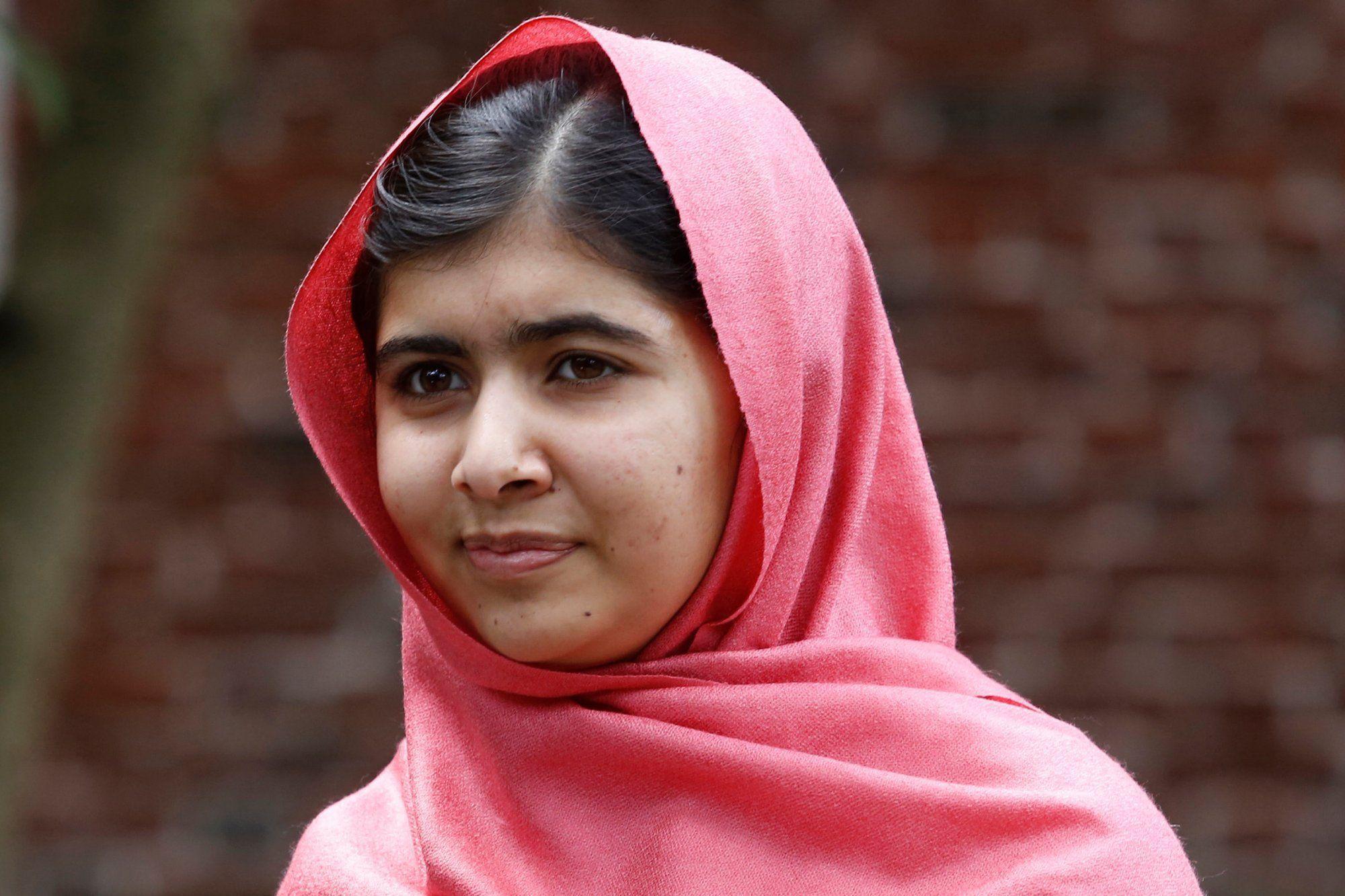
Malala Yousafzai, a Nobel Prize laureate and global advocate for education, has become a prominent figure in the fight for women’s rights and access to education for all children. Her story, marked by resilience and determination, not only highlights the challenges faced by young girls in particularly volatile regions but also serves as an inspiration for activists worldwide. As discussions surrounding education equity continue to gain momentum, Malala’s contributions remain more relevant than ever.
Background and Advocacy
Born in 1997 in Mingora, Pakistan, Malala began advocating for girls’ education at a young age. In 2009, her efforts drew international attention when she was shot by the Taliban for her activism. Surviving the attack, she became a symbol of the struggle for education rights. In 2014, she was awarded the Nobel Peace Prize, making her the youngest-ever recipient. Since then, Malala has continued to campaign for educational opportunities for girls worldwide through the Malala Fund, which supports girls’ education projects in regions where they face significant barriers.
Recent Developments
In a recent address at the UN, Malala emphasized the urgent need for global leaders to prioritize education in their agendas, particularly in light of the COVID-19 pandemic’s impact on learning. Reports indicate that millions of girls have been disproportionately affected, with many facing increased risks of early marriage and gender-based violence. Malala urged for policy changes and funding to ensure that education remains accessible, especially for the vulnerable populations in conflict zones.
Future Implications
As the world continues to navigate the post-pandemic landscape, the significance of education rights highlighted by Malala cannot be overstated. Her ability to mobilize global attention towards this pressing issue suggests that education will remain a focal point in international dialogues. Additionally, with political instability continuing in many regions, Malala’s work demonstrates the importance of resilience in activism. Her journey illustrates that, despite challenges, impactful change is achievable through collective efforts.
Conclusion
Malala Yousafzai’s ongoing commitment to advocating for education and women’s rights serves as an inspiration to individuals and organizations alike. As barriers remain, her voice empowers many to join the fight for educational equity and support initiatives aimed at boosting access for girls around the world. As we move forward, the lessons from Malala’s journey and advocacy will undoubtedly shape efforts in ensuring that every girl has the right to learn, grow, and achieve her full potential.