Introduction
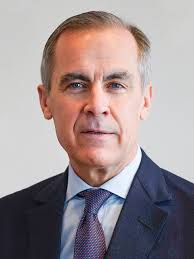
Mark Carney, the former Governor of the Bank of England and the Bank of Canada, has become a pivotal figure in the intersection of finance and climate advocacy. His insights and influence in this area are crucial as the world grapples with climate change challenges. Carney’s work emphasizes the importance of integrating sustainability into economic practices, making him a key player in shaping policy responses on both global and national levels.
Recent Developments
In recent months, Carney has taken a prominent role in various initiatives aimed at fostering sustainable finance. He co-chairs the Glasgow Financial Alliance for Net Zero (GFANZ), which was launched during the 2021 UN Climate Change Conference. The alliance unites banks, asset managers, and other financial institutions in committing to achieve net-zero emissions by 2050. At a recent summit, Carney emphasized the imperative for the finance sector to lead in funding sustainable solutions, stating, “Financial institutions must make sustainable choices the default choices.”
Moreover, Carney has been vocal about the need for transparency in climate-related financial disclosures. Highlighting recent studies, he pointed out that clearer frameworks for climate risk disclosure would enable better investment decisions and stimulate the transition towards a greener economy. Alongside this, he continues to advocate for a carbon price to incentivize businesses to reduce their carbon footprint.
Impact on Global Finance
Carney’s influence extends beyond the financial sector; he is an advocate for the systemic change needed to combat climate change. There is a growing recognition of the importance of sustainable business practices and the need for accountability within corporate environments.
His recent report, “Pulling Together: A Global Initiative for Resilience,” outlines necessary strategies for city and financial leaders to bolster resilience to climate impacts. The report indicates there is an increasing urgency for governments and businesses globally to collaborate on best practices that ensure a sustainable future. Analysts suggest that Carney’s efforts could significantly help shift capital toward sustainable initiatives, drawing in private investment and encouraging corporate responsibility.
Conclusion
As the world stands at a critical juncture in addressing climate change, Mark Carney’s role as a leader in global finance cannot be understated. His vision and commitment to sustainable financial practices will likely influence not only ongoing discussions at high-level summits but also day-to-day corporate behaviors. By advocating for transparency and accountability in climate finance, Carney is working towards a future where economic growth aligns with environmental stewardship. The significance of his contributions is vital as both public and private sectors gear up for the economic transition necessary to mitigate climate dangers.