Introduction
Conversion therapy, often referred to as reparative therapy, is a controversial practice aimed at changing an individual’s sexual orientation or gender identity. It has been widely condemned by major mental health organizations as ineffective and harmful. As discussions around LGBTQ+ rights and mental health gain traction, understanding the implications of conversion therapy is more relevant than ever.
What is Conversion Therapy?
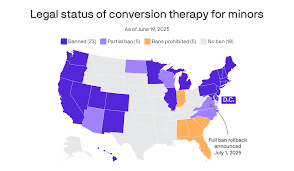
Conversion therapy encompasses a range of practices, including counseling, behavioral interventions, and even physical treatments like aversion therapy. Historically, these practices were rooted in the belief that being queer is a mental disorder, a misconception that has since been disproved by extensive research. Many states and nations have enacted bans on conversion therapy to protect minors from these harmful methods.
Recent Developments
In recent years, there has been a notable shift in public opinion and legislative action against conversion therapy in the United States. In 2021, for instance, states like Virginia and Colorado added their names to the growing list prohibiting the practice for minors, joining others such as California and New York. Advocacy groups like the Human Rights Campaign continue to push for nationwide bans, underlining that conversion therapy not only fails to achieve its intended outcomes but often results in serious psychological harm.
Scientific Consensus
Numerous studies and statements from organizations such as the American Psychiatric Association and the World Health Organization reveal that conversion therapy can lead to increased rates of depression, anxiety, and suicidal ideation among individuals subjected to such practices. These organizations caution that attempts to change a person’s sexual orientation can exacerbate the very issues they aim to resolve.
Community Responses
In the wake of the bans and scientific findings, LGBTQ+ advocacy groups are increasingly focusing on education and support services that promote acceptance. Many survivors of conversion therapy have shared their experiences, advocating for mental health resources that affirm rather than attempt to change one’s identity. Events such as Pride Month have become platforms not only to celebrate LGBTQ+ identities but also to raise awareness about the dangers surrounding conversion therapy.
Conclusion
The growing consensus against conversion therapy represents a significant cultural shift towards acceptance and understanding of diverse sexual orientations and gender identities. As society evolves, continued advocacy and education surrounding the harmful effects of conversion therapy remain critical in order to safeguard the mental health and dignity of LGBTQ+ individuals. For those seeking clarity or support, numerous resources are available, underscoring the importance of an affirming approach to mental health.