Introduction
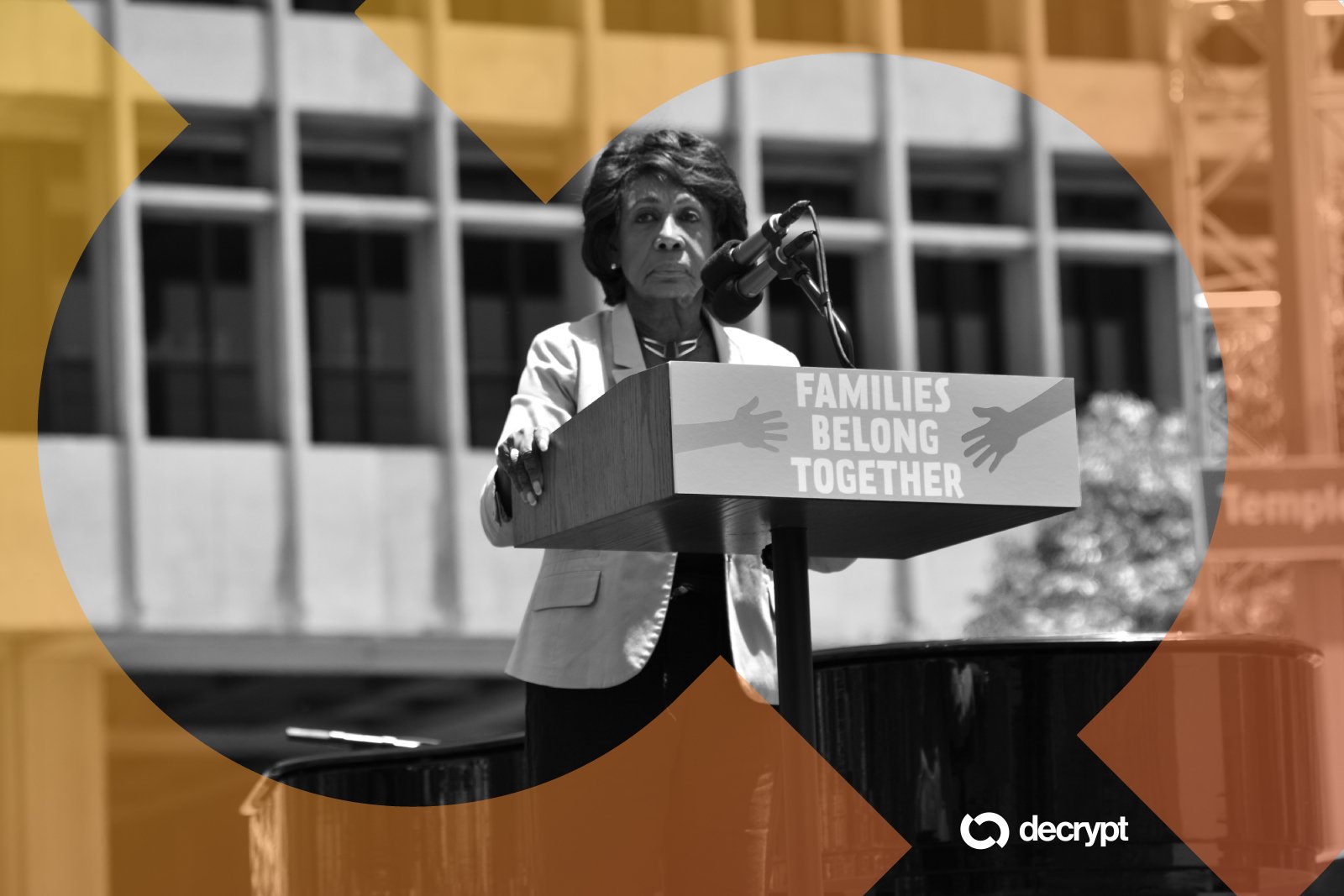
Maxine Waters has been a prominent figure in American politics for over three decades, representing California’s 43rd congressional district. Known for her fierce advocacy for social justice, economic equality, and financial oversight, her political journey reflects the changing landscape of American governance. With her outspoken nature, Waters has not only been a representative for her constituents but also a leading voice addressing systemic injustices in society.
Political Background
Waters was first elected to the House of Representatives in 1990. Over the years, she has gained national recognition for her work, particularly in the areas of housing policy, community development, and financial regulation. Waters was instrumental in pushing for stronger oversight of the financial industry following the 2008 housing crisis, highlighting issues of predatory lending that disproportionately affected minorities and low-income families.
Recent Developments
In recent months, Waters has been in the spotlight regarding various critical issues. As Chair of the House Financial Services Committee, she has continued to advocate for policies that support equitable economic recovery in the wake of the COVID-19 pandemic. Waters has also been a staunch supporter of the Biden administration’s economic initiatives, pushing for further investment in communities of color and broader access to financial resources.
Moreover, Waters has made headlines with her vocal criticisms of the former Trump administration, particularly regarding its handling of social and racial justice issues. Her passionate speeches and calls for accountability have resonated with many Americans, positioning her as a central figure in the ongoing dialogue about race relations in the U.S.
Community Engagement
Waters remains actively engaged with her constituents, often holding town hall meetings and community forums to discuss pressing local and national concerns. Her advocacy extends beyond the confines of legislation; she fosters grassroots movements that empower underrepresented communities and inspire civic participation.
Conclusion
As Maxine Waters continues her tenure in Congress, her influence and advocacy are expected to shape critical discussions surrounding economic inequality, social justice, and political accountability. With a legacy marked by unwavering service to the community, Waters stands as a political icon whose work is significant not only to her district but to the broader landscape of American democracy. Her future endeavors will likely play a crucial role in addressing ongoing socio-economic disparities and fostering a more inclusive political environment.