Introduction
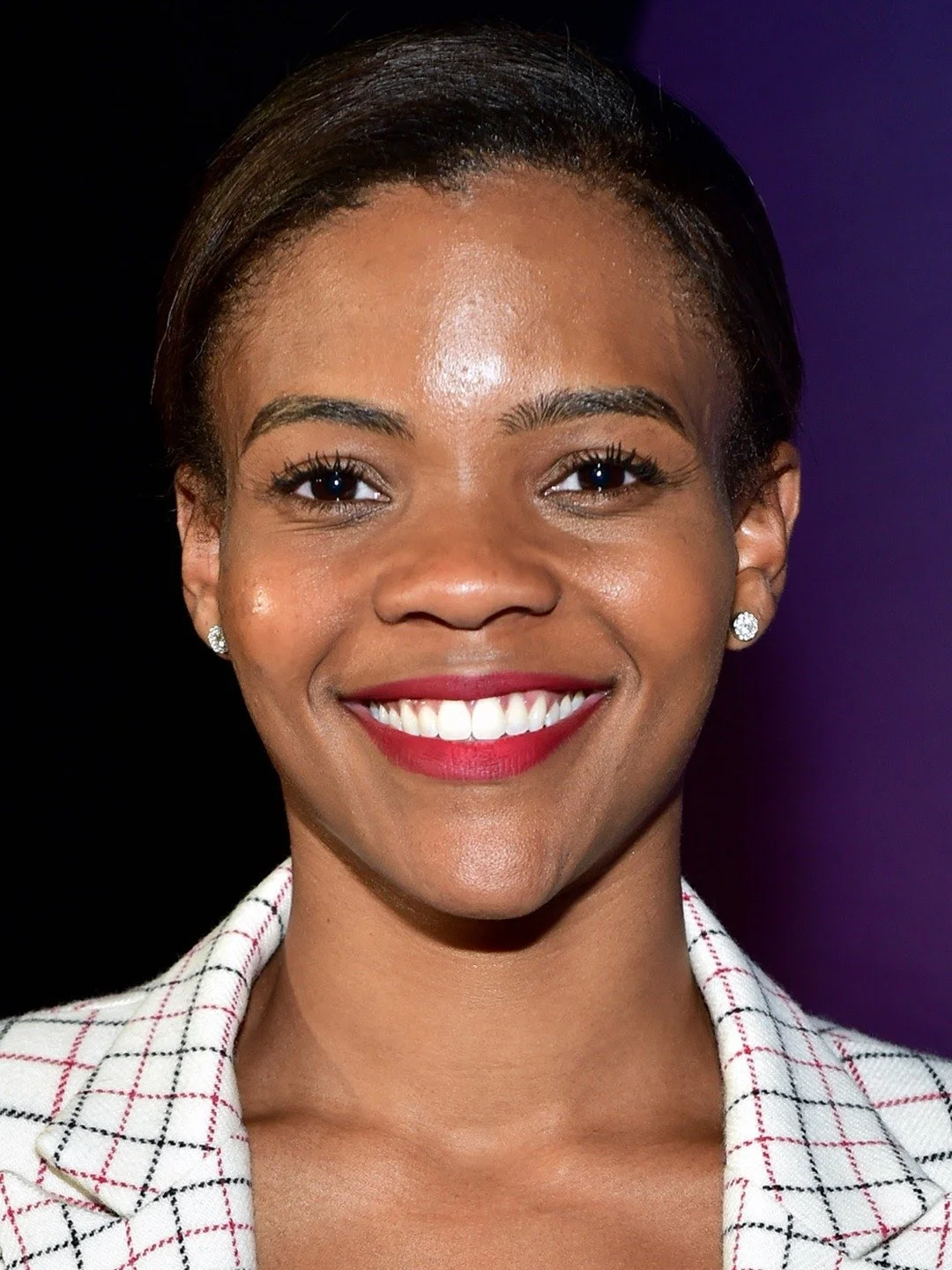
Candace Owens has emerged as one of the most influential voices in American conservative politics. Known for her outspoken views on a variety of topics, including race, feminism, and the role of government, Owens has garnered significant attention and controversy. Her rise in the political arena is a testament to the shifting landscape of American discourse, showcasing a blend of social media influence and traditional media engagement that resonates with a sizable audience.
Background and Rise to Prominence
Born on April 29, 1989, in Stamford, Connecticut, Owens gained initial fame through her YouTube channel and later as a social media personality. She initially identified as a liberal but became a prominent conservative figure after expressing her views on various social issues. In 2016, she launched a YouTube channel where she shared her perspective on social and political issues, which quickly attracted a following.
Owens’ role increased when she became the communications director for Turning Point USA, an organization designed to educate students about conservative values. Her speeches and public appearances have often stirred controversy, as she openly criticizes the Democratic Party and questions the effectiveness of liberal policies, particularly regarding race and social justice.
Key Contributions and Controversies
Owens is well-known for her critique of the Black Lives Matter movement and her argument that systemic racism is overstated. She posits that individual agency plays a significant role in personal success, which some praise as empowering, while others criticize it as dismissive of lived experiences among marginalized communities. Her stance has sparked heated debates on social media, leading to both staunch supporters and vehement detractors.
In addition to her commentary, Owens has published a book titled “Blackout: How Black America Can Make Its Second Escape from the Democratic Plantation,” where she articulates her views on race, history, and politics. The book further solidified her reputation as a thought leader in conservative circles, contributing to discussions on how generational poverty and victim mentality can influence individual success.
Conclusion
Candace Owens’ influence in American politics and culture continues to grow, making her a polarizing figure that reflects the divided landscape of contemporary society. As her platform expands through various media appearances and publications, it’s evident that her impact will be felt for years to come. Observers are left to ponder: will Owens’ views reshape the discussions around conservatism and race, or will they further entrench the partisan divide? Only time will tell.