Introduction
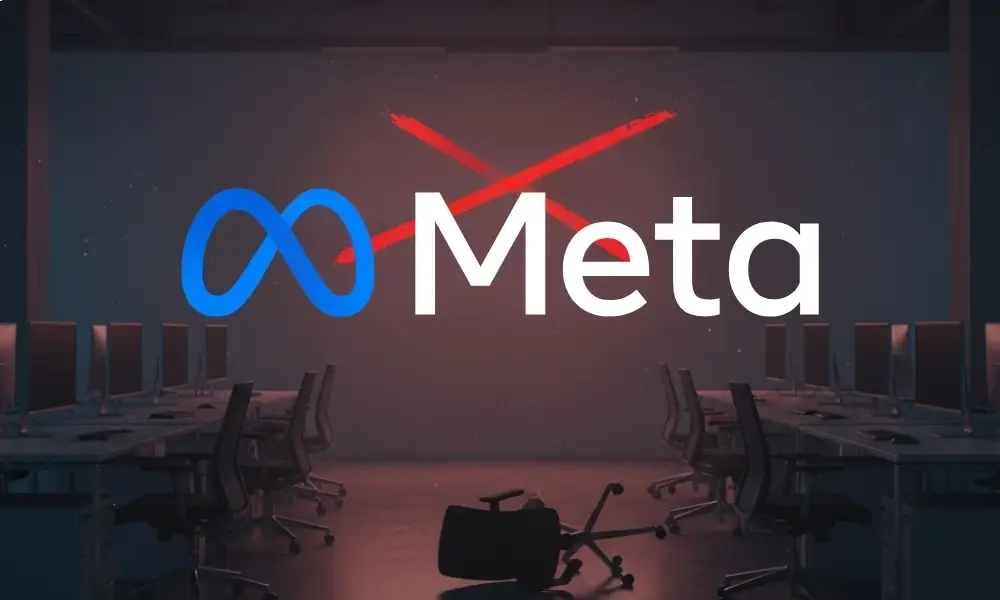
In recent weeks, Meta Platforms Inc., the parent company of Facebook and Instagram, announced a series of layoffs that have sent shockwaves through the tech industry. This decision comes amidst rising concerns about the integration of artificial intelligence (AI) in various sectors and its implications on employment. The relevance of these layoffs lies not just in the loss of jobs but in the broader conversation about AI’s impact on the workforce and the direction in which major tech companies are heading.
Details of the Layoffs
In early October 2023, Meta disclosed plans to cut approximately 10,000 employees as part of its efforts to streamline operations and reduce costs. This announcement follows the company’s previous layoffs in late 2022 when around 11,000 employees were terminated. CEO Mark Zuckerberg cited the need for a more efficient company structure and the necessity to invest heavily in AI technology as driving forces behind these difficult decisions.
The layoffs encompass various departments, including advertising, metaverse development, and various engineering sectors, indicating a strategic realignment towards AI and automation. Analysts suggest that while the layoffs are a significant move to enhance profitability amid economic pressures, they also highlight a conscious pivot towards AI technologies that could potentially replace some roles traditionally occupied by human workers.
Impact of AI on Employment
The role of AI in shaping employment trends cannot be overstated. As Meta and other tech giants explore advanced AI algorithms designed to enhance user engagement and operational efficiency, concerns arise about job security in the tech sector. A recent report from the World Economic Forum noted that AI could displace up to 85 million jobs by 2025, while simultaneously creating 97 million new roles tailored to the AI-driven economy.
Experts believe that the pace at which AI is being adopted by businesses will force many employees to re-skill or up-skill to meet the new demands of the workforce. This shift is not limited to tech companies; industries like customer service, logistics, and information technology are experiencing a similar trend.
Conclusion
The layoffs at Meta underscore a pivotal moment for both the company and the broader tech landscape. As AI continues to reshape how companies operate, it raises critical questions about job stability, the future of work, and the types of skills that will be valued in the coming years. For affected employees and the workforce at large, the challenge will be to adapt to these changes and seek opportunities in a rapidly evolving job market.