Introduction
Monkeypox has garnered significant attention globally due to its emergence and the public health implications it poses. Recognized as a viral zoonotic disease, monkeypox has primarily been reported in central and west Africa, but recent outbreaks have raised concerns about its potential to spread more widely. With cases reported in various countries, understanding monkeypox is crucial for public health and safety.
Recent Outbreaks and Statistics
As of October 2023, the World Health Organization (WHO) reported over 80,000 cases of monkeypox worldwide, with a notable surge in infections outside of Africa. This is a stark increase from the previous years and prompts a need for monitoring and response strategies. Countries such as the United States, the UK, and Canada have experienced multiple outbreaks, leading to heightened surveillance and public health efforts.
Symptoms and Transmission
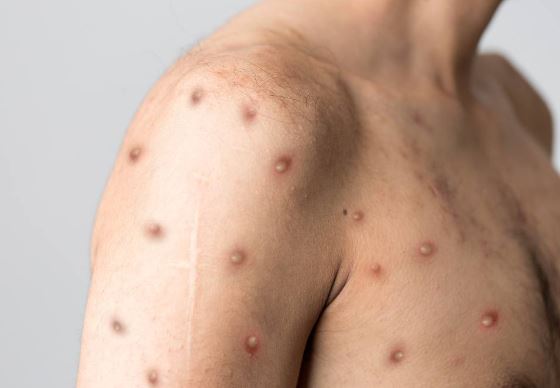
Monkeypox is characterized by fever, body aches, and distinctive skin lesions resembling that of smallpox. While it is less severe than smallpox, monkeypox can still lead to significant complications, especially in immunocompromised individuals. The virus is transmitted through contact with infected animals, as well as through human-to-human transmission via respiratory droplets or direct contact with lesions. Understanding the transmission routes is vital for controlling outbreaks and preventing further spread.
Prevention and Vaccination Efforts
The WHO and various health authorities are advocating for vaccination as a critical measure to curb the spread of monkeypox. Vaccines, including those originally developed for smallpox, have shown efficacy in preventing monkeypox. In response to the outbreaks, countries have begun administering vaccines targeting high-risk populations, including healthcare workers and those in close contact with infected individuals. The importance of vaccinations cannot be understated as a tool in mitigating the outbreak risks.
Conclusion and Future Outlook
As monkeypox continues to spread beyond its endemic regions, health organizations are emphasizing the importance of public awareness, early diagnosis, and vaccination. While the current situation is concerning, ongoing research into the virus and its transmission can provide insights for effective public health strategies. With increased global cooperation and preparedness, the ability to control monkeypox outbreaks may improve, reducing its potential threat to communities worldwide. Keeping abreast of developments is essential for individuals and healthcare professionals, ensuring proper precautions and responses to protect public health.