Reaction from the field
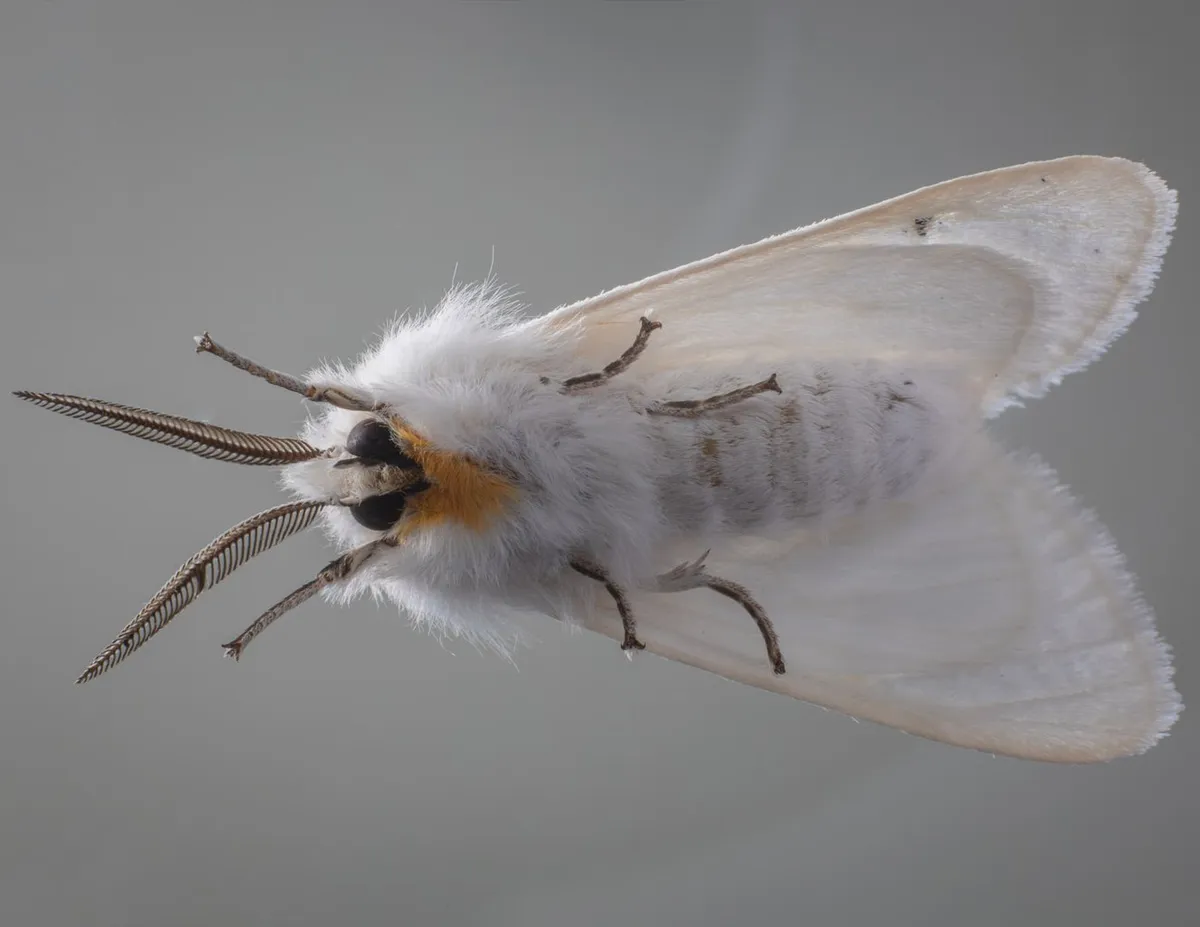
The alarming decline of moth populations in the UK has reached a critical point, with half of garden moth species reported to be diminishing in abundance. This trend poses a significant threat to biodiversity and the ecological balance, as moths play a crucial role in pollination and serve as a food source for various wildlife.
Approximately 2,500 species of moths inhabit the UK, divided into macro and micro moths. Of these, around 900 are larger macro moths, while 1,600 are smaller micro moths. The Garden Moth Scheme, initiated in 2008, has been instrumental in tracking these populations, revealing the concerning statistics that half are on the decline.
In a global context, the heaviest moth in the world, belonging to the genus Enoxyla, weighs up to 32 grams. This remarkable species highlights the diversity and unique characteristics of moths, yet their survival is increasingly threatened by environmental changes and habitat loss.
Meanwhile, researchers in Hawai’i have made significant strides in moth research, describing 10 new species and seven new genera. This discovery underscores the importance of ongoing research, as many native insect groups have not been studied for nearly a century. Karl Magnacca, a prominent researcher, emphasized the importance of these findings, stating, “This is a really important contribution, as many of our native insect groups haven’t been looked at in around 100 years.”
Among these new species is I. pahulu, which is critically endangered. This particular moth relies on sandalwood trees, which have become rare due to historical overharvesting in the early 19th century. Hawaiian kings forced people to cut sandalwood, leading to the decline of both the trees and the moths that depend on them.
As the situation unfolds, experts like Daniel Rubinoff express concern, noting, “We are naming species just as they are disappearing.” The urgency of the matter is clear, as the loss of moth species could have cascading effects on ecosystems and agriculture.
With half of garden moth species in the UK declining and new species in Hawaii facing extinction, the future of moths hangs in the balance. Immediate action is required to address these challenges and protect these vital insects. Details remain unconfirmed regarding the full extent of the impact and what measures will be taken to reverse these trends.