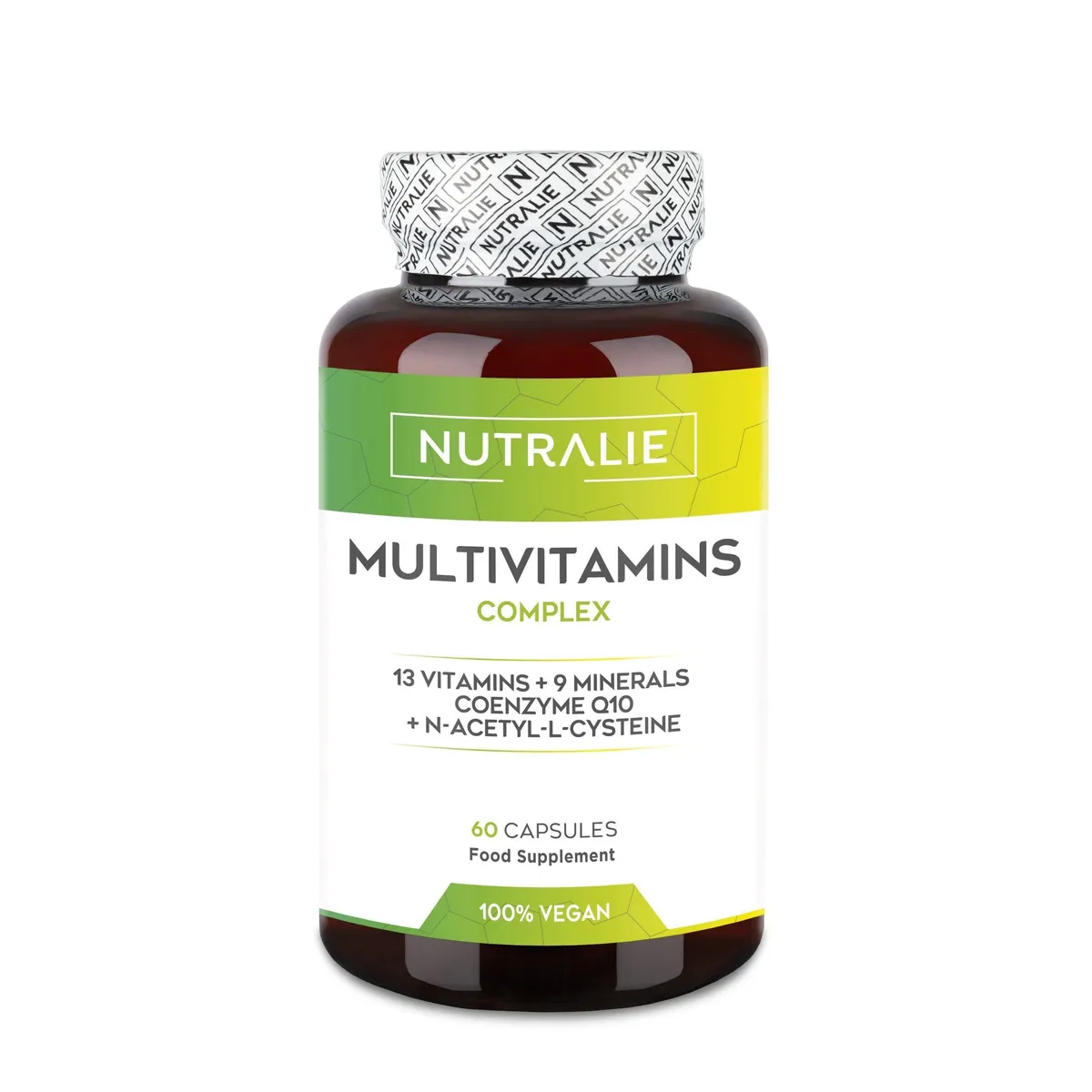
Significant Findings on Multivitamins
Recent research published in Nature Medicine suggests that taking a daily multivitamin may slow markers of biological aging. This finding is particularly noteworthy given the allure of slowing down the aging process, a topic that has garnered significant interest in both scientific and public spheres.
Study Overview
The study involved 958 healthy participants, with an average chronological age of 70. Over a period of two years, participants who took multivitamins exhibited about four months less biological aging compared to those who did not. The research specifically analyzed five epigenetic clocks to measure changes in biological age, providing a robust framework for understanding the effects of multivitamins.
Research Parameters
Notably, the study excluded participants with major chronic illnesses, cancer, or cardiovascular conditions, focusing on a healthier demographic. This careful selection raises questions about the applicability of the findings to broader populations. The COSMOS trial, which the study is part of, was funded by Mars and the US National Institutes of Health, with Pfizer contributing by donating supplements.
Expert Opinions
Despite the promising results, experts urge caution in interpreting the findings. Professor Luigi Fontana remarked, “The change was very, very small,” indicating that while there may be some effect, it is not substantial. Additionally, Howard Sesso stated, “We are not yet in a position to recommend a daily multivitamin for all older adults,” highlighting the need for further research before making broad recommendations.
Limitations of the Study
One significant limitation of the study is its demographic composition; participants were predominantly white and around 70 years old, which means the results cannot be generalized to other populations. Furthermore, there is no evidence that multivitamins would reduce disease risk or increase survival, as noted by experts. The study also found that cocoa extract did not have an effect on the five epigenetic clocks tested, indicating that not all supplements yield beneficial outcomes.
Dietary Considerations
Experts like Jenny Gunton suggest that if an individual’s diet is lacking, taking one multivitamin per day may be reasonable. However, those who maintain a healthy diet may not need supplements at all. This perspective underscores the importance of a balanced diet as the primary source of nutrients.
Future Research Directions
Details remain unconfirmed regarding the specific reasons why multivitamins may impact health markers. More research is needed to ascertain whether the results apply to individuals of other ages and ethnicities. As the scientific community continues to explore the relationship between multivitamins and aging, the conversation around dietary supplements remains complex and nuanced.