Reaction from the field
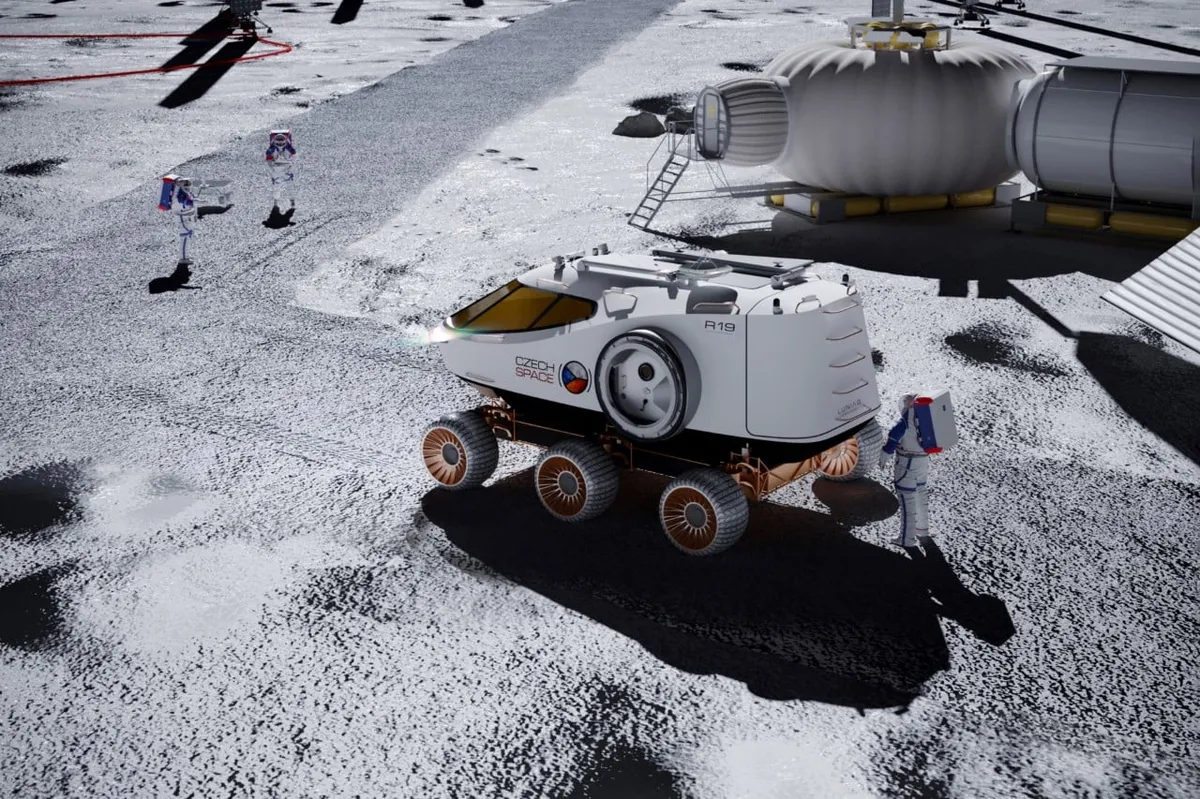
NASA’s ambitious plan to establish a Moon base is set to reshape humanity’s presence in space, with a projected investment of $30 billion over the next decade. This monumental initiative aims to create a permanent lunar outpost by 2036, enabling sustained human presence on the Moon akin to that of the International Space Station.
The Moon base project will unfold in three distinct phases. Phase 1, commencing in 2026, focuses on achieving reliable access to the lunar surface, including the first crewed Moon landing under the Artemis program. NASA plans to conduct 25 launches and 21 landings by 2028, delivering approximately 4,000 kilograms of equipment and supplies to the lunar surface.
In the subsequent Phase 2, which runs from 2029 to 2032, NASA will concentrate on establishing essential infrastructure for the Moon base, such as power and communication systems. This phase is critical for laying the groundwork for long-term operations on the lunar surface.
Phase 3, scheduled for 2033 to 2036, will transition the project into a permanent base capable of supporting long-duration human missions. NASA anticipates that a total of 150,000 kilograms will be flown to the Moon during this final phase, significantly enhancing the capabilities of the lunar outpost.
NASA’s commitment to this project is underscored by statements from key figures involved. Carlos Garcia-Galan emphasized, “Every asset, every kilogram, all the lunar exploration resources that we have are going to be focused on one thing, and that is to build the Moon base.” This focus reflects a strategic shift towards infrastructure that supports sustained operations on the lunar surface.
Additionally, NASA’s Artemis 2 mission, scheduled for April 1, 2026, will serve as a critical test for systems intended for future crewed missions. The agency plans to utilize lunar drones and rovers for exploration and site preparation, further enhancing its operational capabilities.
As part of its strategy, NASA will also recruit private sector employees for temporary terms to support the Moon base project, fostering collaboration between government and commercial entities. Jared Isaacman, a prominent figure in the space industry, remarked, “We are not going to sit idly by when schedules slip or budgets are exceeded,” indicating a proactive approach to project management.
Despite the clear roadmap laid out by NASA, uncertainties remain regarding the timeline and execution of the project. Details remain unconfirmed as the agency navigates the complexities of lunar exploration and infrastructure development.