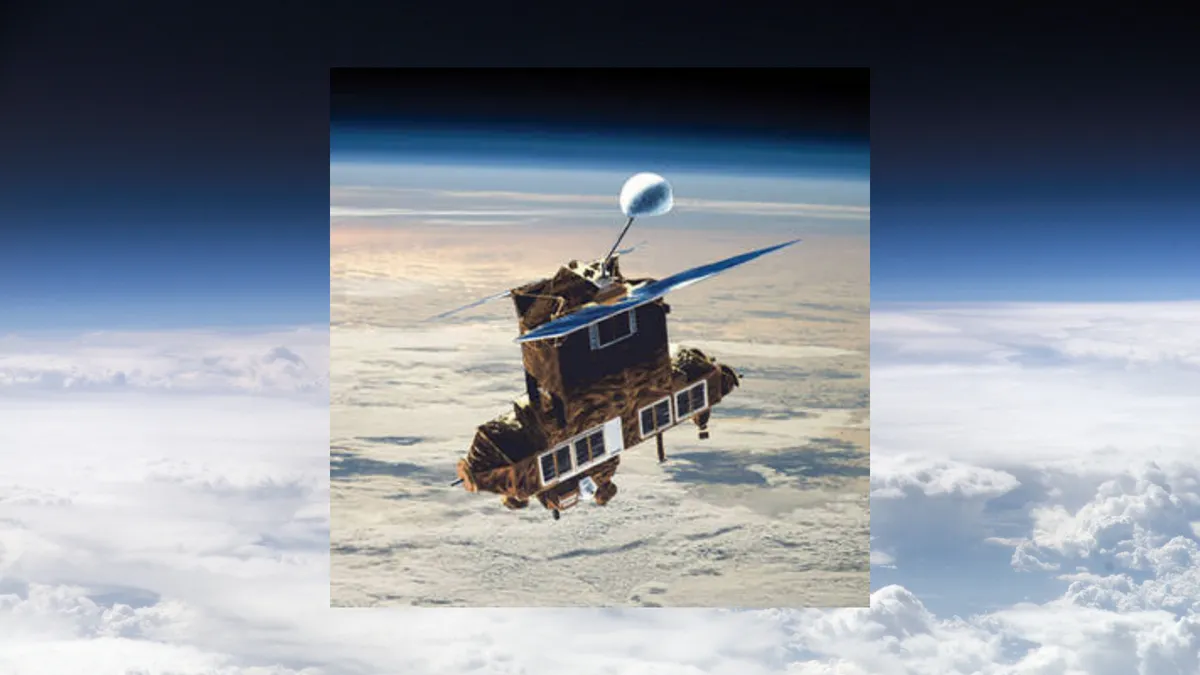
Background on the Van Allen Probes
The Van Allen Probe A and its twin, Van Allen Probe B, were launched on August 30, 2012, to study the radiation belts surrounding Earth. These satellites were designed to investigate the Van Allen radiation belt, providing critical data about the environment in space that affects both satellites and astronauts. The mission for Van Allen Probe A officially ended in 2019 when it ran out of fuel, after successfully breaking records for its ability to tolerate and operate in the hazardous region of space.
Upcoming Re-Entry
On March 10, 2026, the Van Allen Probe A is expected to re-enter Earth’s atmosphere at approximately 7:45 p.m. ET, with a possible variation of 24 hours. As the satellite descends in an elliptical orbit, it will hit the atmosphere at speeds of around 17,000 miles per hour. While parts of the satellite will crash to Earth, NASA has indicated that the chance of being struck by debris is extremely low, estimated at 1 in 4,200.
Monitoring and Safety Precautions
NASA and the US Space Force are actively monitoring the re-entry of the Van Allen Probe A and will provide updates as the event approaches. According to NASA, “The risk of damage on the ground is extremely low.” Mark Matney, an expert in space debris, emphasized that “the odds that you will be hit are one in several trillion, so quite low for any particular person.” This highlights the minimal risk posed to the general public.
Historical Context of Space Debris
Debris falling from space is not uncommon; over a 40-year period, an estimated 5,400 tons of debris have survived re-entry. Lottie Williams is the only person known to have been struck by falling manufactured space debris, which underscores the rarity of such incidents. The overall chance of anyone being harmed by falling debris is estimated at 1 in 3,200, according to a 2011 report.
Public Reactions and Expert Opinions
Experts have weighed in on the upcoming re-entry, with Jonathan McDowell stating, “For the average person, it will be a nice light in the sky if you get lucky and, otherwise, don’t worry about it.” Nelofar Mosavi, who contributed to the mission, remarked, “This mission … broke all the records for a spacecraft to tolerate and operate in that hazardous region, all with no interruptions.” These statements reflect a sense of accomplishment regarding the mission’s success and the low risk associated with the satellite’s re-entry.
Uncertainties Surrounding Re-Entry
Despite the extensive monitoring, details remain unconfirmed regarding the exact location where the satellite is projected to re-enter Earth’s atmosphere. Additionally, predicting the location of any surviving fragments poses challenges, as it is difficult to ascertain where debris may land.
As the re-entry of the Van Allen Probe A approaches, both NASA and the US Space Force continue to reassure the public about the low risk of harm from falling debris. Observers are encouraged to stay informed as updates are provided leading up to the event.