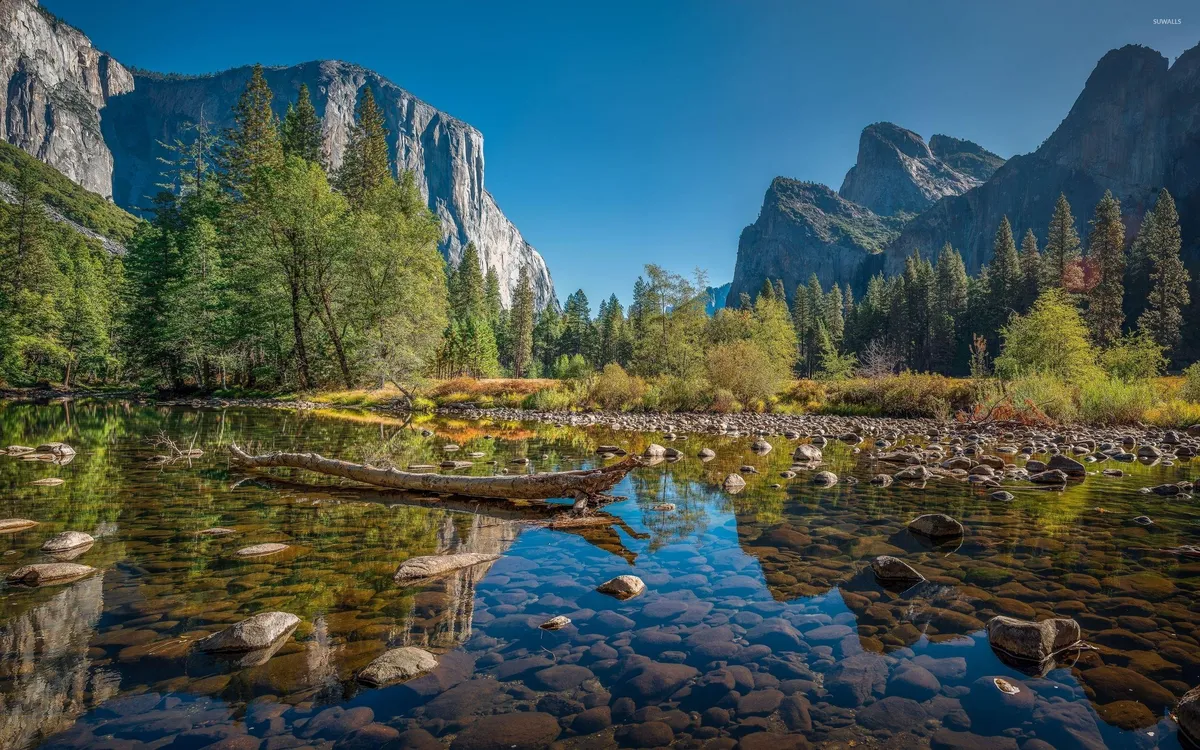
What is driving the surge in visitation to national parks like Banff and Yellowstone? The answer lies in their unparalleled natural beauty and the growing popularity of outdoor activities, which have led to record-breaking numbers in recent years.
Banff National Park recorded an astonishing 4.28 million visits in the 2023/24 season, marking its busiest year on record. Meanwhile, Yellowstone National Park saw 4,744,353 visits in 2024, solidifying its status as a top destination for nature enthusiasts.
Banff, Canada’s first national park, is part of the Canadian Rocky Mountain Parks UNESCO World Heritage Site, attracting visitors with its stunning landscapes and diverse wildlife. Yellowstone, recognized as the world’s first national park, is famous for containing about half of the world’s active geysers, further enhancing its allure.
To manage the influx of visitors, Parks Canada has recommended using shuttles to access popular locations like Lake Louise and Moraine Lake, where reservations are now required in advance. Notably, Moraine Lake is closed to personal vehicles year-round, emphasizing the need for organized transportation.
Yellowstone’s Fishing Bridge RV Park stands out with 310 campsites equipped with electricity, water, and sewer hookups, the most in the U.S. National Park Service system. In 2025, Yellowstone hosted 37,261 overnight RV campers, showcasing the growing trend of RV tourism in national parks.
In comparison, the Great Smoky Mountains National Park remains the most-visited park, hosting 141,354 overnight RV guests in 2025, while Zion National Park recorded 84,450 overnight RV stays in the same year.
The surge in visitors can be traced back to the 1883 discovery of the Cave and Basin thermal springs, which sparked the creation of Banff National Park. Indigenous Peoples had utilized these thermal springs for thousands of years prior to this discovery, highlighting the deep historical significance of the area.
As national parks continue to attract record numbers, the challenge remains to balance visitor access with conservation efforts. What remains uncertain is how these parks will adapt to the increasing demand while preserving their natural beauty for future generations.