Introduction
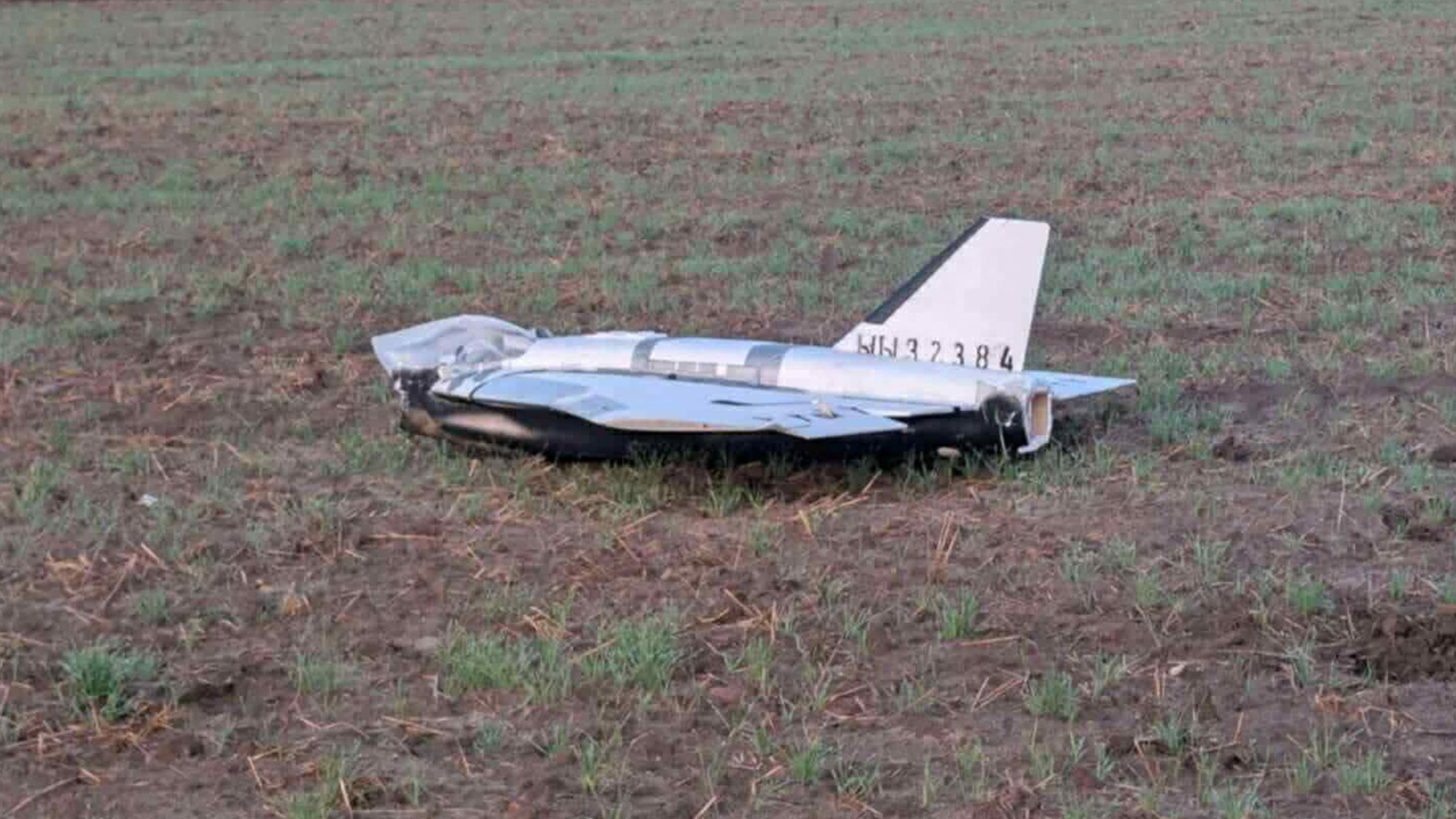
The presence of Russian drones near Polish borders has become a focal point of international security discussions, raising alarms about national sovereignty and regional stability. As NATO allies gather to evaluate their defense strategies, the situation emphasizes the growing tension in Eastern Europe following recent conflicts and aggressive posturing by Russia. Understanding NATO’s response to these threats is crucial for analyzing the evolving security landscape in the region.
Context and Current Events
In recent weeks, reports have emerged detailing Russian military drones conducting operations close to Poland’s eastern border. This development has escalated concerns among NATO member countries about the potential for miscalculations or aggressive actions that could draw the alliance into a direct conflict. In light of these provocations, NATO held emergency meetings to assess the situation and formulate a coordinated response.
Poland has been particularly vocal about enhancing its defense capabilities in response to these threats. The Polish government is actively engaging with NATO to bolster air defenses and surveillance operations. This includes the potential deployment of additional NATO troops and resources to reinforce the eastern flank of the alliance.
NATO’s Strategic Measures
In response to the drone activity, NATO has increased surveillance of the airspace over Poland. Allied nations have been dispatched to monitor Russian movements, ensuring that any aggressive actions are met with a rapid and unified response. The NATO Air Policing mission has been intensified, with more aircraft stationed in Poland to conduct regular patrols and engage in joint exercises with Polish forces.
Furthermore, NATO allies are considering the implementation of advanced drone detection systems that could effectively monitor and counteract unwanted aerial incursions. This move highlights the alliance’s commitment to defending member states’ territories and maintaining stability in the region.
Conclusion
The rise of Russian drone activity near Poland underscores the need for a robust security framework within NATO. The situation not only affects Poland but also reverberates across Europe, stressing the importance of collective defense and the deterrence posture the alliance maintains against hostile actions. As the geopolitical landscape continues to shift, it is likely that NATO will keep adapting its strategies to counter these emerging threats. Readers should remain aware of how these events unfold, as they could significantly influence European security dynamics and international relations in the near future.