Introduction
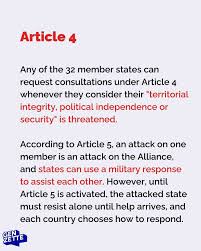
Article 4 of the North Atlantic Treaty Organization (NATO) is a pivotal clause that allows member states to consult and communicate when a nation feels that its territorial integrity, political independence, or security is threatened. As tensions escalate globally, the relevance of this article has never been more significant in the current geopolitical climate. Understanding Article 4 is crucial for readers who wish to grasp the collective defense strategies that NATO employs to maintain peace and security among its member nations.
The Importance of Article 4
Formulated during the Cold War, Article 4 serves as a mechanism for dialogue and promotes solidarity among NATO’s 30 member countries. According to its text, a member state can request consultations if it believes that its security is in jeopardy, thus initiating a discussion among allies. This is essential in preventing conflicts from escalating and ensuring that states feel supported and heard in times of crisis.
Recent Events Highlighting Article 4 Usage
The recent tensions between NATO member states and Russia have brought Article 4 into the spotlight. In 2021, Poland and the Baltic States triggered Article 4 consultations as they perceived increased military activities and threats from Russian forces along their borders. These consultations underscored the ongoing concerns regarding regional security and the importance of a united response from NATO. While Article 5 is better known for invoking collective defense, Article 4 acts as a crucial preemptive step that illustrates NATO’s focus on diplomacy and collaboration before potentially resorting to military measures.
Conclusion
Article 4 of NATO remains a vital tool in the alliance’s efforts to safeguard its members’ security and promote diplomatic engagement. As geopolitical tensions continue to rise, the significance of this article becomes increasingly relevant. It reflects NATO’s foundational principle of collective security while providing a pathway for member nations to support each other through dialogue. Going forward, monitoring how NATO countries utilize Article 4 will be essential in understanding the alliance’s strategic responses to emerging threats. Active engagement in this framework not only strengthens transatlantic ties but also reinforces the commitment to democratic values and regional stability.