Introduction
The National Oceanic and Atmospheric Administration (NOAA) has released its winter forecast for 2023-2024, which holds significant implications for millions of Americans. Understanding this forecast is crucial as it informs various sectors, including agriculture, transportation, and utilities, enabling them to prepare for potential weather challenges ahead of time.
Key Predictions
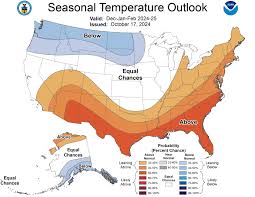
According to NOAA’s report, this winter is expected to exhibit abnormal weather patterns across the United States. The agency predicts that a strong El Niño is establishing itself in the Pacific, influencing weather systems worldwide. This climatic phenomenon typically leads to warmer and wetter conditions in the southern U.S. while the northern regions may face colder temperatures.
Specifically, the NOAA winter forecast indicates that:
- Southern U.S.: Above-average precipitation is likely, which could lead to increased flooding risks in places like California and the Gulf Coast.
- Northern U.S.: A colder winter is anticipated, especially in states like North Dakota and Montana, where temperatures may dip significantly.
- Midwest Region: The forecast suggests a mix of mild and colder spells, with potential for substantial snowfall.
Impact on Various Sectors
The implications of the NOAA winter forecast are extensive, affecting agriculture, transportation, energy demand, and even public safety:
- Agriculture: Farmers in the southern regions may need to prepare for unusual precipitation patterns, potentially affecting planting and harvesting schedules.
- Transportation: Airlines and transport agencies must brace for adverse winter weather, which could lead to travel disruptions and increased costs.
- Energy Demand: Higher heating requirements in the northern states could stress energy grids, emphasizing the importance of adequate resource management.
Conclusion
The NOAA winter forecast for 2023-2024 serves as an early warning for individuals and industries to prepare for weather challenges ahead. As winter approaches, residents are encouraged to stay informed through official channels and consider contingency plans. By understanding these predictions, communities can mitigate risks, ensuring safety and resilience in the face of changing weather patterns. NOAA’s insights continue to play a crucial role in national preparedness and response as they strive to provide accurate weather data that influences our daily lives.