Introduction
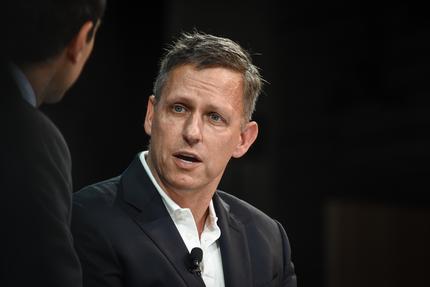
Peter Thiel, co-founder of PayPal and Silicon Valley investor, has become a prominent figure in both technology and political arenas. His influence extends beyond business, affecting discourse in various aspects of governance and policy-making. Understanding Thiel’s perspectives and involvements sheds light on the intersection of technology, finance, and politics in contemporary society.
Thiel’s Technological Ventures
Raised in California, Thiel attended Stanford University, where he earned a degree in philosophy. He then pursued a law degree at Stanford Law School, shortly transitioning to entrepreneurship. In 1998, he co-founded PayPal, a notable achievement that established him as a key player in online payment systems. Following PayPal’s success, Thiel became an angel investor in leading tech companies, including Facebook, which laid the groundwork for his ventures focusing on innovation and disruptive technology.
Political Affiliations and Ideology
Thiel is recognized not only for his business acumen but also for his robust political ideology. He is a vocal supporter of libertarian principles and has expressed skepticism towards government institutions. His funding of various political candidates and movements reflects his commitment to a more market-driven approach to governance. In recent years, Thiel has notably supported conservative figures, positioning himself as a significant financier in Republican politics, especially during Donald Trump’s presidency.
Recent Activities and Future Prospects
In 2023, Thiel announced plans to step back from some of his political engagements to focus more on technological innovation and venture capital. He remains linked to the Founders Fund, a venture capital firm, where he invests in transformative technology sectors. His interests in artificial intelligence, biotech, and renewable energy indicate his ongoing commitment to shaping the future through technological advancements.
Conclusion
Peter Thiel’s multifaceted impact on technology and politics presents a complex picture of an individual who is both influential and polarizing. As he shifts his focus from political investments to groundbreaking technological pursuits, observers from various sectors will watch closely. Thiel’s ideology and decisions may significantly affect how technology integrates with societal norms and governance structures in the coming years. His dual role as an entrepreneur and political thinker suggests that he will continue to be a formidable presence in discussions regarding the future of both innovation and politics.