The numbers
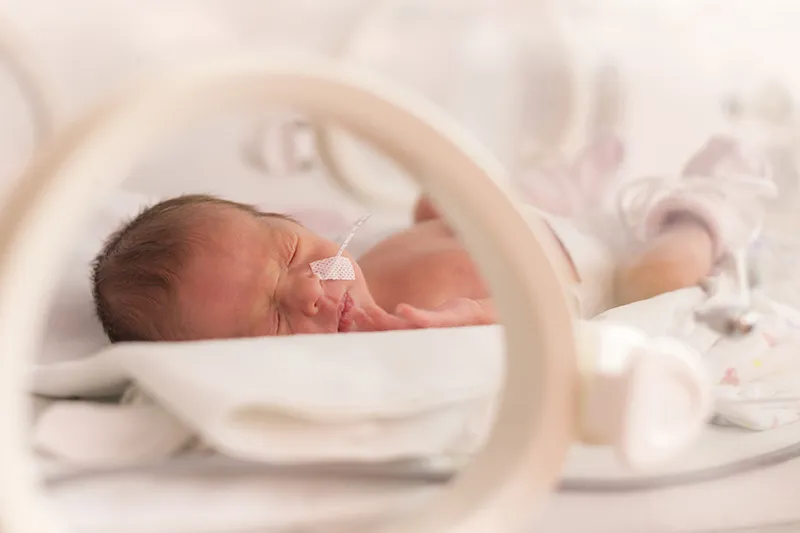
Exposure to di-2-ethylhexylphthalate (DEHP) has been linked to nearly 2 million preterm births worldwide in 2018, according to a recent study. This alarming statistic highlights the significant health risks associated with phthalate exposure, which is also responsible for the deaths of 74,000 newborns in the same year.
Approximately 8% of the world’s total preterm births in 2018 were attributed to DEHP exposure. Additionally, diisononyl phthalate (DiNP) may have contributed to about 1.88 million preterm births globally. The study, conducted by researchers at NYU Langone Health, estimated DEHP exposure across 200 countries and territories, revealing a widespread public health concern.
Africa accounted for 26% of health problems arising from DEHP-linked preterm births, while the Middle East and South Asia represented a staggering 54% of estimated illness from this issue. “This is a dangerous class of chemicals,” stated Dr. Leonardo Trasande, emphasizing the urgent need for action.
Phthalates, commonly found in consumer products such as cosmetics, detergents, and food packaging, are known to interfere with the body’s hormone production mechanisms and are linked to various health problems. The findings of this study underscore the potential dangers posed by these chemicals, particularly in vulnerable regions.
Dr. Trasande further remarked, “We are playing a dangerous game of Whac-A-Mole with hazardous chemicals,” indicating the ongoing struggle to manage the risks associated with phthalates. The broader concern, as noted by Dr. Donghai Liang, is about phthalates as a class, suggesting that focusing on one or two at a time may underestimate the overall risk.
Details remain unconfirmed regarding the direct causation of preterm birth by DEHP and DiNP, as the investigation was not designed to establish a direct link. However, the data presents a compelling case for reducing exposure to these chemicals.
As researchers continue to analyze the impact of phthalates on public health, observers expect further studies to clarify the extent of the risks and the necessary steps to mitigate them. The urgency of addressing phthalate exposure cannot be overstated, as millions of vulnerable newborns are at stake.