Introduction
The ongoing protests in Paris, France, have captured global attention as citizens voice their dissatisfaction with various social and economic issues. This phenomenon is not just a local issue but reflects a broader sentiment seen in many parts of the world regarding governance, inequality, and public welfare. These demonstrations serve as a critical outlet for expressing public grievances and seeking change.
Details of the Protests
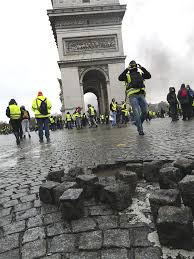
In recent weeks, Paris has been the scene of large-scale demonstrations involving thousands of participants. Organized primarily by labor unions and activist groups, these protests initially arose in response to proposed pension reforms and rising living costs. Protesters have taken to the streets to demand fair wages, better working conditions, and an end to perceived austerity measures imposed by the government.
The unrest escalated as protesters clashed with police, leading to over 200 arrests. The police deployed tear gas and water cannons to manage crowds in several areas, particularly around historic sites such as the Place de la République and the Champs-Elysées. Social media footage depicted intense confrontations between activists and law enforcement, raising concerns about civil liberties and public safety.
Government Response
In light of the escalating protests, French authorities have been forced to respond. Prime Minister Élisabeth Borne has acknowledged public discontent and expressed the government’s intention to engage in dialogue with community leaders and union representatives. Despite this approach, many protesters remain skeptical, fearing that any governmental promises may not translate into actual change.
Social Context and Significance
The protests can be placed in a broader context of emerging global populism and unrest fueled by economic disparities and government austerity. In Paris, the echoes of the Yellow Vest movement, which highlighted issues of wealth inequality, seem to resonate again as social frustration mounts among various demographic groups.
Conclusion
As Paris continues to experience turmoil, the significance of these protests lies in their potential to reshape political discourse in France. Whether the government will heed the calls for reform and adapt its policies remains to be seen, but public sentiment makes it clear that citizens are eager for change. As we look ahead, these protests could serve as a pivotal point in France’s ongoing dialogue about governance, social equity, and community engagement.