Introduction
The case of Kyle Rittenhouse has remained a focal point of national discussion and controversy since its inception in August 2020. Rittenhouse, a then-17-year-old from Illinois, shot and killed two individuals during protests in Kenosha, Wisconsin, after the police shooting of Jacob Blake. His actions and the subsequent trial have ignited debates around self-defense laws, gun rights, and the political climate in the United States.
Events Leading to the Trial
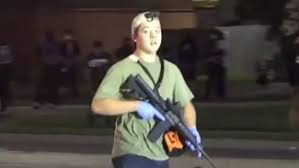
The events that transpired on the night of August 25, 2020, were fueled by widespread civil unrest following Blake’s shooting. Protesters took to the streets, and Rittenhouse, armed with an AR-15 style rifle, claimed he was present to protect businesses from vandalism. During the protests, he shot and killed Joseph Rosenbaum and Anthony Huber while injuring a third individual, Gage Grosskreutz. Rittenhouse was charged with multiple counts, including first-degree intentional homicide.
The Trial
Rittenhouse’s trial took place in November 2021 and drew massive media attention. The defense argued that Rittenhouse acted in self-defense, while the prosecution painted him as an aggressor seeking to provoke violence. The jury ultimately acquitted him, concluding that he had acted in self-defense during the confrontation. This verdict led to protests in various cities, demonstrating the deep divisions in public opinion regarding gun laws and the use of lethal force.
Public Reactions and Implications
The verdict in the Rittenhouse trial has had significant repercussions. Supporters of Rittenhouse regard him as a symbol of self-defense rights and the Second Amendment, while his critics see him as a figure representing the dangers of vigilantism and gun violence. Following his acquittal, Rittenhouse has continued to actively engage in public dialogues, participating in right-wing media and often reiterating his stances on self-defense and gun rights.
Conclusion
The Kyle Rittenhouse case serves as a critical touchpoint in the ongoing national discourse about gun rights, self-defense, and societal responses to civil unrest. As debates continue regarding legislation and social norms, the significance of this case persists in influencing both public opinion and political actions. In an increasingly polarized environment, the outcomes of such high-profile cases can shape future policy and societal attitudes towards similar incidents.