Introduction
The Manchester attack, which occurred on May 22, 2017, at the Manchester Arena, remains a significant and somber event in the history of modern Britain. This terrorist attack, targeting concertgoers, particularly younger individuals attending an Ariana Grande concert, resulted in 22 fatalities and hundreds of injuries, marking a catastrophic incident that resonated across the globe. Understanding the implications of this tragedy is crucial for fostering dialogue on security, counter-terrorism, and the ongoing impact on victim families and communities.
Details of the Attack
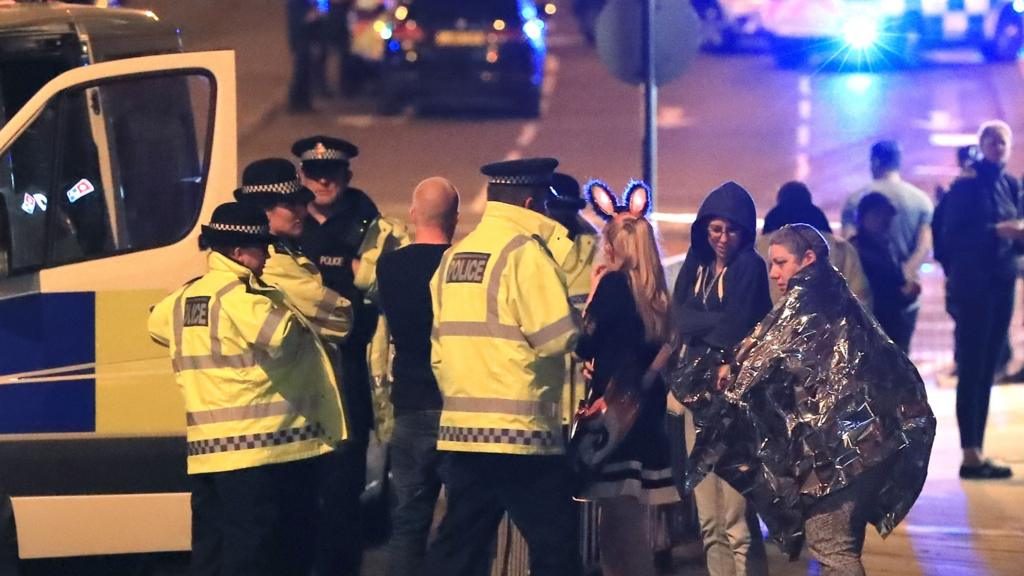
The attack was perpetrated by suicide bomber Salman Abedi, who detonated an improvised explosive device in the arena’s foyer as attendees were leaving the concert. Witnesses recalled a scene filled with chaos and panic, with many people fleeing and seeking safety amidst the confusion. The emergency services responded rapidly, treating both physical and psychological trauma accumulated from the blast.
In the aftermath, the attack shocked the United Kingdom, leading to heightened security measures at public events and a greater focus on the potential for home-grown terrorism. Various investigations and inquiries were conducted to assess failures in intelligence and response, leading to renewed discussions albeit politically charged about national security priorities.
Impact on Victims and Communities
The long-lasting effects on the victims’ families and those directly affected by the attack cannot be overstated. Support initiatives have emerged, including survivor support groups and mental health services, aimed at aiding recovery and healing. Moreover, community-driven efforts, such as memorials and annual remembrance events, seek to honor the victims and assist in the collective grieving process.
Significance and Conclusion
The Manchester attack serves as a chilling reminder of the vulnerability faced in public spaces, raising questions about safety, civil liberties, and police presence. The ongoing implications of the attack have influenced national policies on counter-terrorism and public safety measures both in Britain and globally. As communities rebuild and continue to support those impacted, the narrative around resilience and unity remains an essential element. In conclusion, while the Manchester attack resulted in devastating losses, it has also prompted critical reflections on how societies can adapt to prevent such tragedies and support affected individuals moving forward.