Introduction
September 11, 2001, marks one of the most significant and tragic events in American history. The day brought devastation and loss, altering the course of global politics, national security, and the lives of countless individuals. The terrorist attacks orchestrated by Al-Qaeda led to the death of nearly 3,000 people and shaped the collective memory of a generation, making it a date synonymous with tragedy and resilience.
The Events of September 11
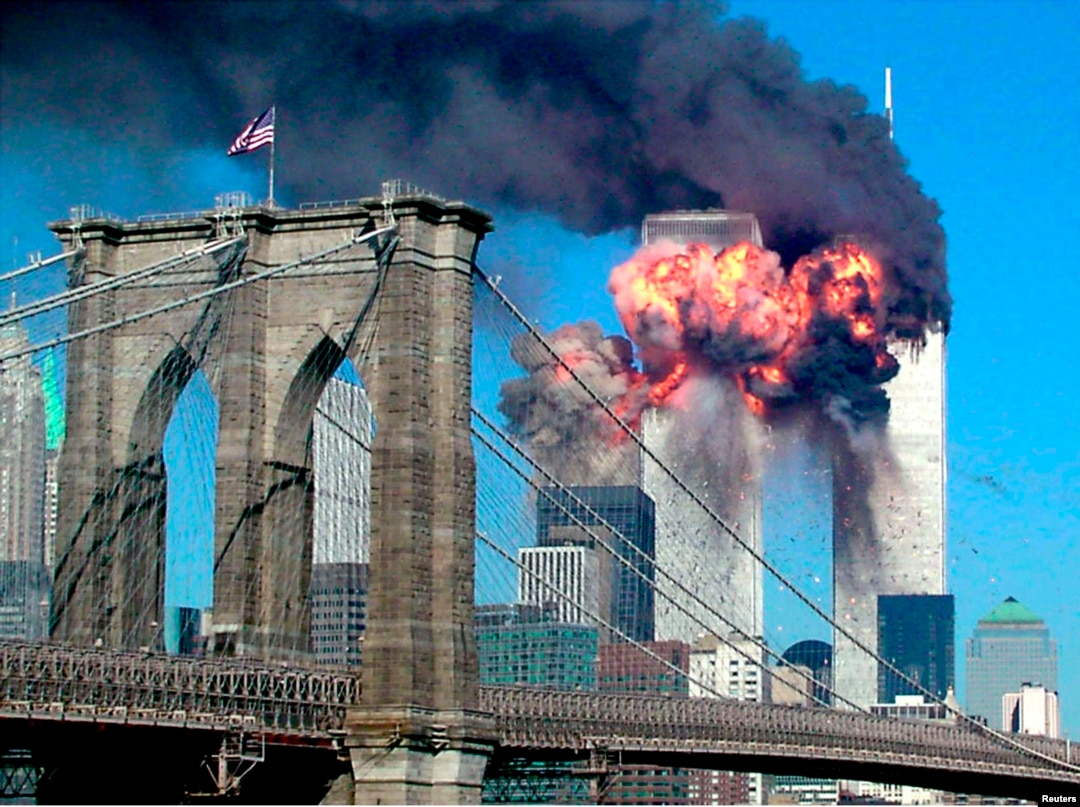
On the morning of September 11, 2001, 19 terrorists hijacked four commercial airplanes. Two of these planes were flown into the Twin Towers of the World Trade Center in New York City, resulting in the collapse of both towers within hours. A third plane struck the Pentagon in Arlington, Virginia, while the fourth plane, United Airlines Flight 93, was headed for an unknown target but crashed in a field in Pennsylvania after passengers attempted to retake control from the hijackers.
The impacts of these events were immediate and profound. Emergency response teams rushed to the scene, risking their lives to save others amid the chaos. The sheer scale of the attacks led to a nationwide state of emergency, with air travel halted and iconic landmarks closed. Furthermore, the attacks sparked widespread fear, mourning, and anger across the United States and the world.
Consequences and Repercussions
In the aftermath of September 11, 2001, the United States launched the War on Terror, leading to military interventions in Afghanistan to dismantle Al-Qaeda and remove the Taliban from power. This shift in American foreign policy has had lasting effects, including ongoing conflicts and debates about national security, civil liberties, and the ethics of counter-terrorism measures.
Domestically, the attacks brought about significant changes in security protocols. The establishment of the Department of Homeland Security and the implementation of the USA PATRIOT Act were direct responses to enhance national security but also raised concerns over privacy and individual rights. Airline security measures became unprecedentedly stringent, reflecting a new era of vigilance.
Conclusion
As the United States and the world reflect on the events of September 11, 2001, the day serves as a stark reminder of both vulnerability and resilience. Memorials have been established, and annual observances are held to honor the victims and heroes of that day. The legacy of September 11 continues to influence contemporary discussions on terrorism, security, and international relations. As we move forward, it remains crucial to remember the lessons learned, promote peace, and strive for a world free from such acts of violence.