Introduction
The 911 attack, a series of coordinated terrorist assaults on September 11, 2001, holds a significant place in American and global history. Its ramifications extend far beyond that fateful day, influencing U.S. foreign policy, domestic security measures, and societal attitudes toward terrorism and national safety. As the 22nd anniversary of the attacks approaches, it remains vital to remember and analyze the events and the lessons learned from them.
Details of the Attacks
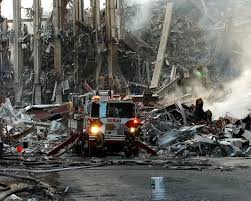
On the morning of September 11, 2001, a total of 19 terrorists associated with the extremist group al-Qaeda hijacked four commercial airplanes. Two of these planes were crashed into the Twin Towers of the World Trade Center in New York City, leading to the collapse of both iconic towers. A third plane struck the Pentagon in Arlington, Virginia, while passengers aboard the fourth plane, United Flight 93, attempted to regain control, causing it to crash into a field in Pennsylvania instead of its intended target.
In total, nearly 3,000 individuals lost their lives during these horrific attacks, making it the deadliest terrorist act in world history. The events of that day catalyzed a rapid shift in U.S. policy and the global understanding of security threats.
The Aftermath and Global Response
In response, the U.S. government launched the War on Terror, leading to military action in Afghanistan aimed at dismantling al-Qaeda and removing the Taliban regime that harbored them. The attacks prompted an overhaul of U.S. security measures, including the establishment of the Department of Homeland Security and the introduction of the USA PATRIOT Act, which expanded surveillance and law enforcement powers.
The 911 attack also had profound psychological effects on American society, resulting in heightened fears of terrorism and increases in xenophobia and Islamophobia. Memorials and commemorations have been established to honor the victims, including the September 11 Memorial & Museum in New York City, which draws millions of visitors each year to pay their respects.
Continued Relevance and Conclusion
As we reflect on the 911 attack today, it is essential to recognize its ongoing implications. The ways in which countries address issues of terrorism, civil liberties, and international relations continue to be shaped by the events of that day. While some may argue that the War on Terror has led to overreach and criticism, others maintain that vigilance against such threats is paramount for national security.
In conclusion, the 911 attack serves as a poignant reminder of vulnerabilities and the need for resilience. As new generations emerge, educating them about this event is crucial to understanding its significance and the lessons learned in the pursuit of safety and freedom.