Recent Developments
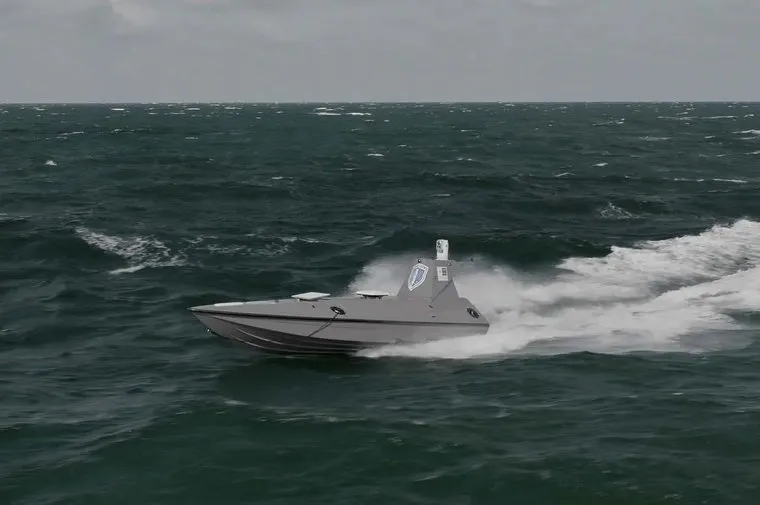
In a significant move towards modernizing its fleet, the Royal Navy has awarded a £12.3 million contract to Kraken Technology Group for the delivery of 20 uncrewed surface vessels. This initiative is part of the Royal Navy’s Project Beehive, which aims to develop a fleet of experimental vessels for training and operational development.
Project Beehive was announced in 2025, marking the Royal Navy’s commitment to evolve into a hybrid force that integrates both crewed and uncrewed systems. The uncrewed vessels will be equipped with a Modular Open Systems Architecture, allowing for future upgrades and enhancements.
Operational Integration
The Coastal Forces Squadron and 47 Commando will operate these uncrewed systems, serving as testbeds for training and tactical development. This integration is expected to bolster the Royal Navy’s capabilities, enabling it to maintain a competitive edge in maritime operations.
In a recent trial off the coast of Scotland, a fleet of remotely controlled Rattler boats successfully escorted Royal Navy warships for 72 hours, demonstrating the operational potential of these uncrewed systems. Vice Admiral Paul Beattie emphasized the importance of this advancement, stating, “By integrating cutting-edge autonomous technology with our existing capabilities, we are ensuring that our forces remain at the forefront of maritime innovation and warfighting effectiveness.”
Future Prospects
The Royal Navy is also planning to deploy both crewed and uncrewed platforms on its Queen Elizabeth-class aircraft carriers, further enhancing its operational flexibility. The first jet-powered carrier-launched drone is expected to be introduced in 2026, marking another milestone in the Royal Navy’s modernization efforts.
In a related event, Prince William, who serves as Commodore-in-Chief of the Royal Navy Submarine Service, commemorated the 125th anniversary of the Royal Navy Submarine Service and the Royal Australian Navy. He expressed his wishes for continued collaboration, stating, “The trilateral partnership is a testament to this enduring relationship and we look forward to the next 125 years of collaboration.”
As the Royal Navy continues to innovate and adapt, the integration of uncrewed vessels into its operational framework signifies a pivotal shift in maritime strategy, ensuring that it remains prepared for future challenges.