Introduction
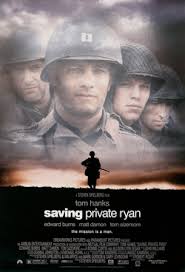
Released in 1998, ‘Saving Private Ryan’ is a film directed by Steven Spielberg that has become one of the most influential war movies in cinematic history. Known for its realistic portrayal of the D-Day landings during World War II, the film has been instrumental in shaping public perception of the war and has elevated discussions surrounding heroism, sacrifice, and the human condition in times of conflict. Its relevance continues as new generations are exposed to its powerful narrative and visual storytelling.
The Film’s Impact
‘Saving Private Ryan’ stars Tom Hanks as Captain Miller, who leads a squad of U.S. soldiers in a dangerous mission to find and bring home Private James Ryan, played by Matt Damon, whose brothers have been killed in action. The film’s opening sequence, depicting the Omaha Beach assault, is regarded as one of the most intense and realistic representations of warfare on screen. Critics praised it for its authenticity and emotional depth, and it earned five Academy Awards, including Best Director for Spielberg.
The film not only brought attention to the sacrifices made by soldiers during WWII but also influenced numerous filmmakers and filmmakers’ approaches to war narratives. Its visual style, characterized by handheld cameras and desaturated colors, has inspired many subsequent war films and has altered audience expectations regarding realism in cinema.
Historical and Cultural Significance
Beyond its cinematic achievements, ‘Saving Private Ryan’ has sparked conversations on the ethical implications of war. The moral dilemmas faced by the characters reflect broader themes concerning duty, brotherhood, and the value of human life. Filmmakers and historians alike have praised the film for shedding light on the value of personal stories in understanding the larger context of historical events.
The film also contributed to a resurgence of interest in WWII history, prompting educational discussions in schools and communities. Veterans and historians often reference ‘Saving Private Ryan’ when reflecting on the realities of war and the importance of remembrance.
Conclusion
In conclusion, ‘Saving Private Ryan’ remains a significant part of American cinema and cultural narrative. Its portrayal of the horrors of war, coupled with deep emotional storytelling, has left an indelible mark on audiences worldwide. As conversations around war and peace continue, the film stands as a reminder of the sacrifices made by soldiers and the complexities of human emotion in times of conflict. The enduring legacy of ‘Saving Private Ryan’ is that it invites viewers to reflect on the past while considering the implications for the present and future.