Introduction
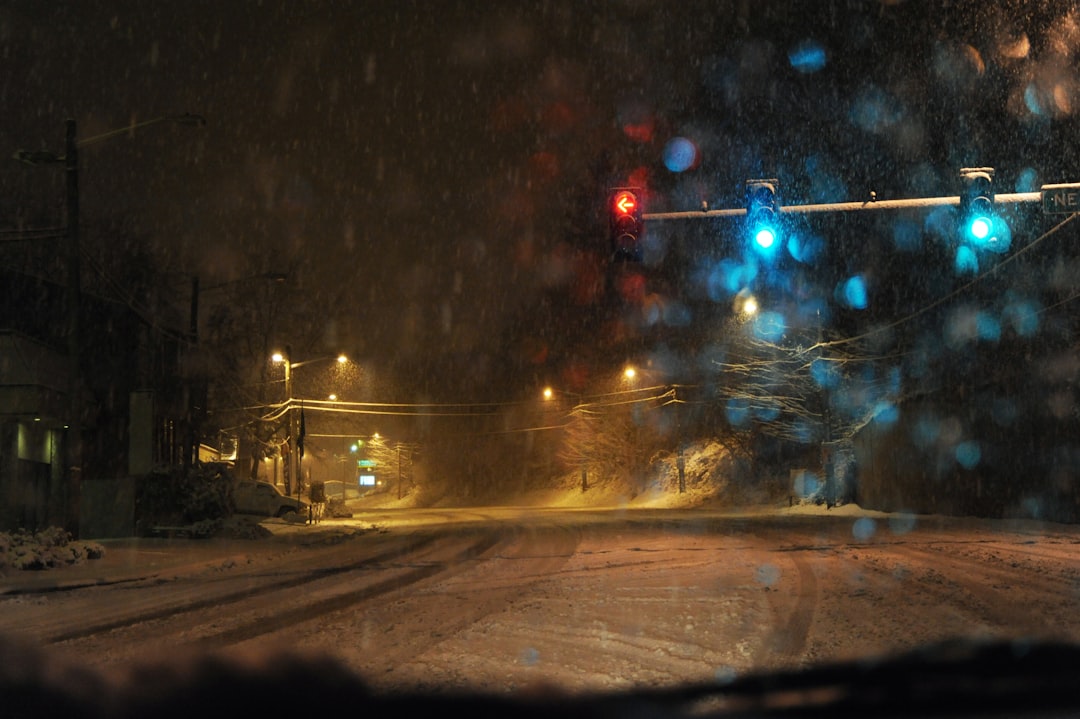
As winter approaches, the chances of encountering various forms of precipitation increase significantly. Among these are sleet and snow, two conditions often confused but fundamentally different. Understanding the distinctions between these forms of winter weather is vital for preparation and safety, as each poses unique challenges.
What is Sleet?
Sleet, technically known as ice pellets, occurs when rain droplets freeze before reaching the ground. This process typically happens when warm air meets a cold layer, causing the rain to freeze into small, hard nuggets of ice. Sleet can lead to hazardous conditions on roadways due to its tendency to create a slippery surface that is much more dangerous than plain rain.
What is Snow?
On the other hand, snow forms when water vapor in the atmosphere crystallizes directly into ice without becoming liquid first. Snowflakes come in a variety of shapes, depending on temperature and humidity conditions, and create a fluffy, softer accumulation on the ground. Snow can be beautiful but also challenging, creating problems such as heavy accumulations that can lead to power outages and disruptions in travel.
Key Differences
The fundamental difference between sleet and snow lies in their formation processes and textures. Sleet is characterized by its ice pellets and more solid, slippery feel, while snow is soft and flaky. In terms of weather forecasting, these differences significantly impact how communities prepare for and react to winter storms.
Weather Impact and Safety
When sleet is expected, communities are urged to take precautions such as avoiding travel when possible and treating roads with salt or sand to reduce slipperiness. Conversely, snow forecasts can lead to different preparations, including snow plowing and keeping emergency supplies and snow shovels ready. Both conditions can lead to accidents and hazards, but the strategies for handling each may vary significantly.
Conclusion
Understanding the distinctions between sleet and snow is crucial as winter storms become more frequent and severe. As climate patterns shift, the combination of sleet and snow events may change, leading to potential increases in hazardous conditions. Being informed will help individuals and communities stay prepared throughout the winter season, ensuring safety for all during cold weather events.