Introduction
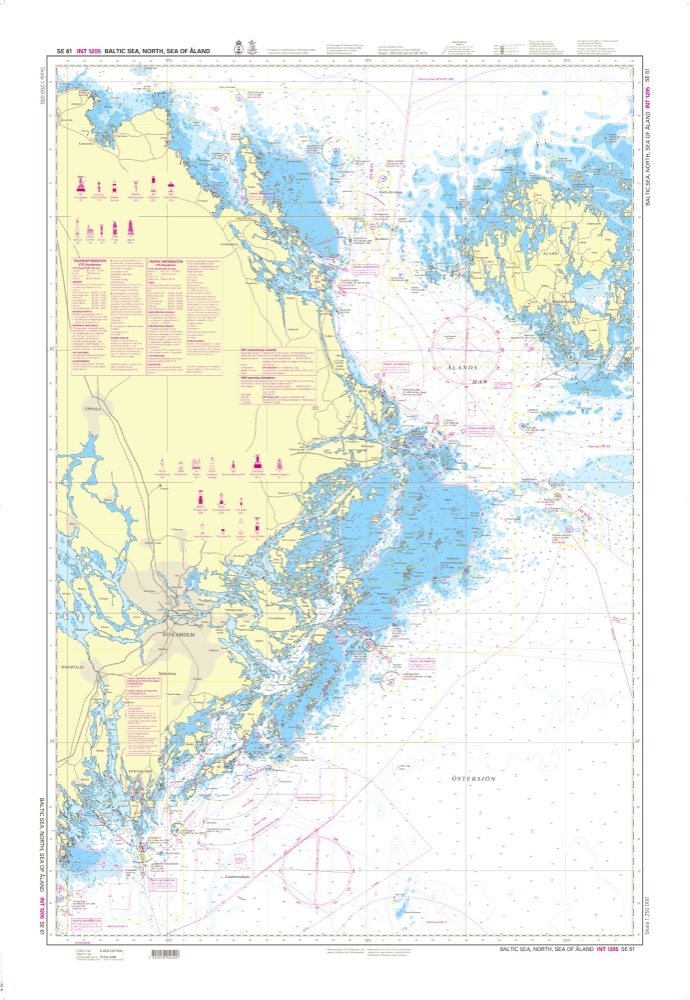
The Baltic Sea, a vital body of water located in Northern Europe, serves as a key trade route, a vibrant ecosystem, and a significant area for cultural exchange among bordering nations. With its unique brackish waters, the sea is home to diverse marine life and supports local economies through fishing, tourism, and maritime trade. However, the Baltic Sea is currently facing numerous environmental challenges that threaten its ecological balance and the livelihoods of those who depend on its resources.
Geographical and Economic Significance
Enclosed by Finland, Sweden, Denmark, Poland, Germany, and the Baltic States, the Baltic Sea covers approximately 377,000 square kilometers. It provides important shipping lanes for goods entering and exiting Europe, facilitating a robust maritime economy. The region sees a significant amount of maritime traffic, and ports such as Hamburg, Gdynia, and St. Petersburg play pivotal roles in international trade.
The Baltic Sea’s fishing industry is another economic cornerstone, offering livelihoods to thousands. Species such as herring, sprat, and cod are not only popular locally but are also exported to international markets, underscoring the sea’s importance to both local and global economies.
Environmental Challenges
Despite its relevance, the Baltic Sea is embroiled in ecological challenges, primarily due to pollution, overfishing, and climate change. Nutrient runoff from agriculture leads to alarming rates of eutrophication, resulting in harmful algal blooms that threaten fish populations and overall water quality. Additionally, industrial waste and maritime shipping contribute significantly to ocean pollution, putting marine life at risk.
Overfishing is another pressing concern. Conservationists and local fishermen call for stricter regulations to ensure sustainable fishing practices, aiming to protect dwindling fish stocks while sustaining the local economy.
International Cooperation and Future Prospects
Recognizing the issues plaguing the Baltic Sea, nations around the region have come together under initiatives such as the Baltic Marine Environment Protection Commission (HELCOM). These cooperative efforts aim to improve environmental standards, promote sustainable fishing practices, and protect the fragile ecosystem.
Looking ahead, there is cause for cautious optimism. Increasing public awareness of environmental issues, combined with scientific research and policy development, offers a path forward for the conservation of the Baltic Sea. Innovations in green technology and sustainable practices hold the potential to revive the ecological health of this vital waterway.
Conclusion
The Baltic Sea is not just a geographic landmark but a critical component of the economic and environmental fabric of Northern Europe. As it faces increasing environmental challenges, the collaborative efforts of bordering nations, stakeholders, and communities remain crucial in ensuring a sustainable future for this significant waterway. The responsibility lies with us all to protect the waters that bind our cultures and economies.