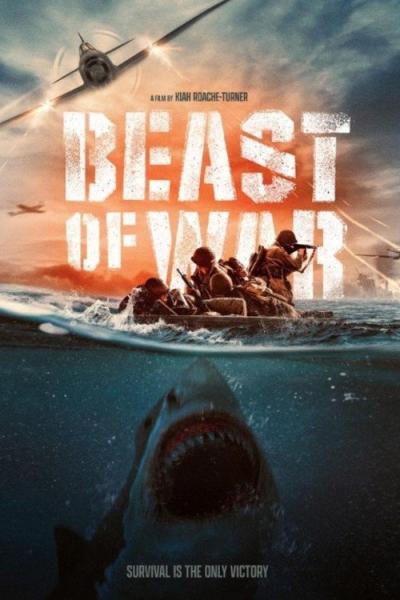
Introduction
The term ‘Beast of War’ carries significant weight in both literature and modern military discourse. It symbolizes the destructive nature of warfare and the profound psychological impact it has on societies and individuals. In an era where conflicts are increasingly complex and technology-driven, understanding the metaphorical and literal implications of the ‘Beast of War’ is more crucial than ever.
The Beast in Literature and History
Historically, the ‘Beast of War’ has been depicted as a ferocious entity, often personifying the havoc and chaos unleashed during conflicts. Literature, from ancient texts to contemporary novels, uses this archetype to explore themes of loss, morality, and the human condition amidst the chaos of battle. Notable works, such as Erich Maria Remarque’s ‘All Quiet on the Western Front,’ illustrate this beast as a relentless force that ravages not only the battlefield but also the souls of soldiers.
Modern Perspectives on Warfare
In today’s context, the idea of the ‘Beast of War’ extends to modern military engagements, where new technologies and strategies introduce different dimensions to conflicts. The use of drones, cyber warfare, and artificial intelligence represents the ‘beast’ evolving rather than diminishing. Reports from global think tanks and defense analysts note that while these advancements can reduce risks for soldiers, they also raise ethical questions about warfare’s future.
The psychological toll on veterans returning from service is another aspect where the ‘Beast of War’ manifests. Combat-related PTSD and other mental health issues serve as reminders of the scars that warfare leaves behind, oftentimes invisible yet deeply affecting individuals and their families.
Current Events: Global Conflicts and Their Beasts
As of October 2023, conflicts in regions such as Ukraine and the Middle East highlight the ever-present reality of the ‘Beast of War.’ In Ukraine, the ongoing war against aggression has seen both traditional and hybrid warfare tactics, showcasing a brutal landscape where the ‘beast’ takes on various forms, impacting civilians and military personnel alike. Meanwhile, in the Middle East, the ramifications of prolonged warfare compound social and economic instability, illustrating how the beast continues to evolve and adapt.
Conclusion
The ‘Beast of War’ is not just a relic of the past; it represents ongoing issues that resonate across generations and cultures. As we analyze conflicts, engage with literature, and discuss the ethics of modern warfare, recognizing the metaphorical and tangible elements of the ‘Beast of War’ proves essential. Moving forward, addressing its implications will help foster understanding and hopefully lead to more strategic peace-building efforts in an effort to tame this enduring beast.