Introduction
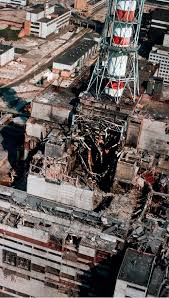
The Chernobyl disaster, which occurred on April 26, 1986, remains one of the worst nuclear accidents in history. The explosion at the Chernobyl Nuclear Power Plant in Ukraine not only resulted in immediate fatalities but also led to long-term environmental and health consequences. As the world continues to grapple with the effects of nuclear energy and safety, understanding the events and repercussions of Chernobyl is more relevant than ever.
Details of the Disaster
On that fateful night in April, reactor number four at the Chernobyl plant experienced a catastrophic failure during a late-night test. A flawed reactor design and poorly trained staff contributed to the disaster, resulting in a massive explosion that released a significant amount of radioactive particles into the atmosphere. It is estimated that around 30 people died as a direct result of the explosion and acute radiation syndrome in the following weeks.
Health Impacts
The long-term health effects of the Chernobyl disaster have been profound and alarming. According to reports from the World Health Organization (WHO), thousands of cases of thyroid cancer have occurred due to exposure to radioactive iodine released during the accident. Over 600,000 people who were exposed to the fallout, including emergency responders, evacuation workers, and residents of surrounding areas, have been monitored for health complications, leading to a multitude of different studies concerning cancer and other illnesses.
Environmental Consequences
Chernobyl’s immediate vicinity, known as the Chernobyl Exclusion Zone, remains one of the most contaminated areas in the world. The fallout has affected both land and wildlife, leading to an unexpected resurgence in some animal populations despite the radiation. Researchers have found that certain species, like wolves and owls, are thriving, raising questions about the ecological impacts of radiation on biodiversity. Ongoing studies aim to monitor the environmental effects over decades.
Conclusion
The Chernobyl disaster serves as a critical lesson in nuclear safety, emergency preparedness, and environmental accountability. As we witness the rise of nuclear technology in various countries, the Chernobyl example underscores the importance of stringent safety protocols and crisis management. While efforts have been made toward disaster recovery and containment, the implications of Chernobyl continue to resonate, reminding us of both the potential and the peril of nuclear energy. With ongoing research and international discourse, the legacy of Chernobyl remains salient and essential for future generations.