Introduction
O.J. Simpson, once celebrated as a football legend, has a legacy marred by controversy, legal battles, and cultural impact. His journey from a Heisman Trophy winner to a controversial figure in American society highlights the intersection of sports, race, and media in the United States. Understanding Simpson’s impact is crucial as it reflects broader societal issues and offers insights into celebrity culture.
The Rise of O.J. Simpson
Orenthal James “O.J.” Simpson was born on July 9, 1947, in San Francisco, California. His football journey began at the University of Southern California (USC), where he won the Heisman Trophy in 1968. Simpson was drafted first overall by the Buffalo Bills in 1969 and quickly became one of the NFL’s most electrifying players, achieving several accolades, including the NFL MVP award. He was known for his incredible speed and agility, making significant contributions to the game during the 1970s.
Transition to Entertainment
After retiring from football, Simpson transitioned to acting and broadcasting, becoming a familiar face in movies and TV shows. His persona was popular, appearing in commercials and films like “The Naked Gun” series, which showcased his comedic talent while overshadowing his athletic achievements. However, this fame took a drastic turn with the events surrounding his personal life.
The Trial of the Century
In 1994, Simpson was embroiled in one of the most publicized murder cases in U.S. history following the deaths of his ex-wife, Nicole Brown Simpson, and her friend, Ron Goldman. The ensuing trial, known as the “Trial of the Century,” captivated the nation and brought issues of race, domestic violence, and media sensationalism to the forefront. Despite overwhelming evidence presented during the trial, Simpson was acquitted in 1995, leaving many questions and polarized opinions surrounding his guilt. This verdict sparked discussions about the U.S. justice system, race relations, and media influence.
Later Years and Significance
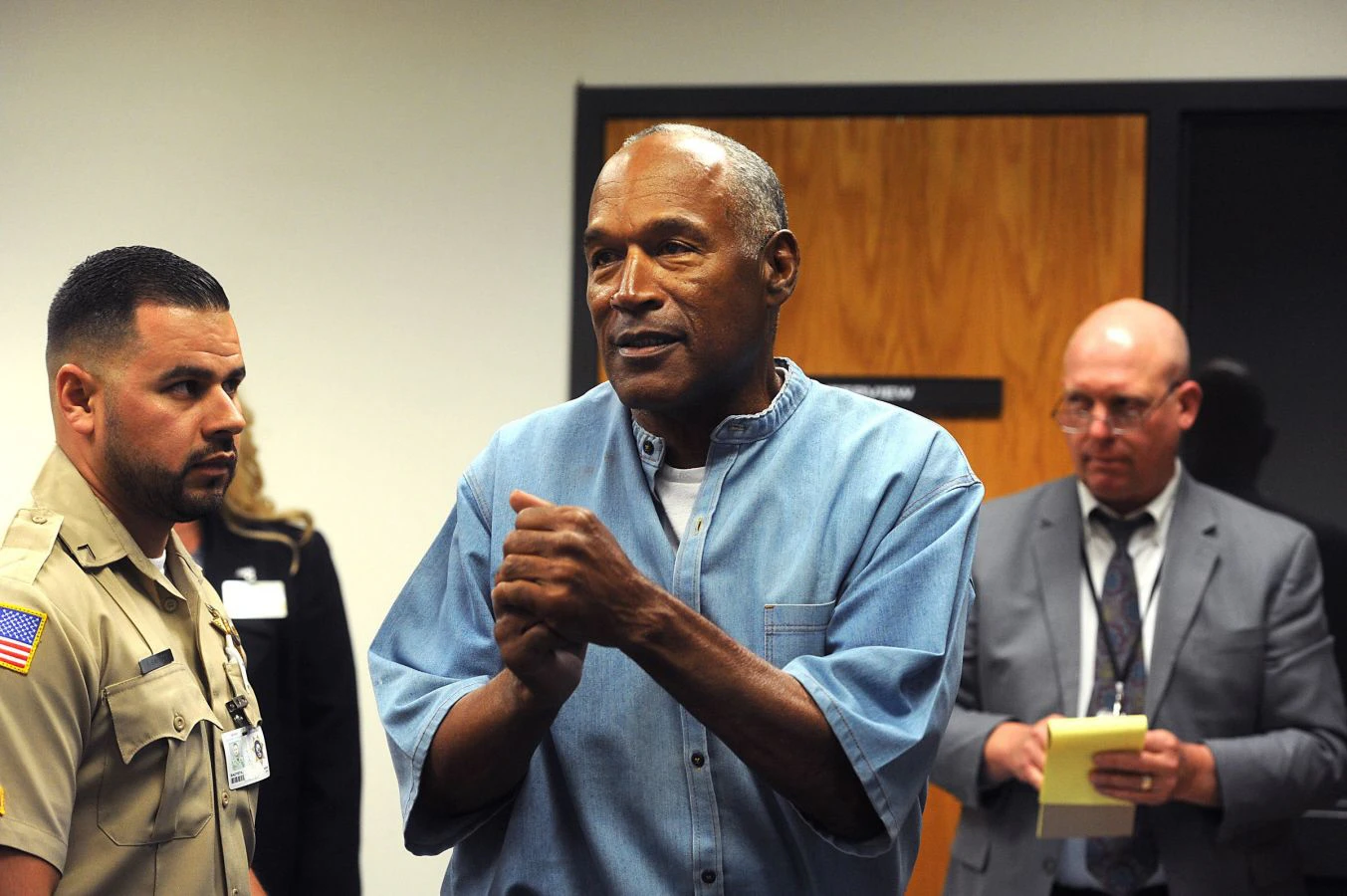
After the trial, Simpson faced multiple legal and financial challenges, including a wrongful death civil suit in which he was found liable for damages. His later years involved a controversial robbery conviction in Las Vegas in 2008, leading to a sentence of 33 years, of which he served nine before being paroled in 2017. Simpson’s life continues to be a subject of fascination, as various documentaries and portrayals have emerged, reflecting society’s ongoing interest in his story.
Conclusion
The life and legacy of O.J. Simpson extend beyond sports into cultural and societal discourse. His story encapsulates the challenges of fame, the complexities of justice, and the ongoing discussions surrounding race and violence in America. As he remains a public figure—despite his past—discussions about his life highlight the significance of celebrity culture and its impact on public perception and societal issues. Simpson’s journey serves as a lens to examine the evolving narratives within American society.