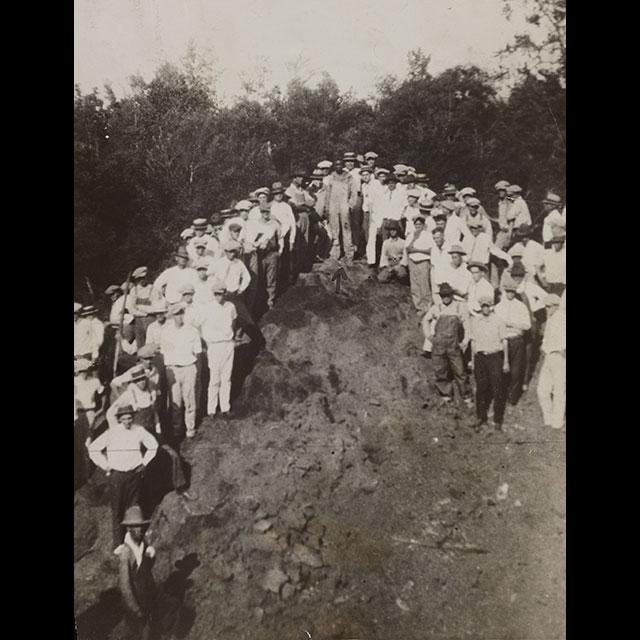
The Historical Significance of Lynching in Mississippi
Lynching has long been a tragic and brutal part of America’s history, particularly in the southern states. During the late 19th and early 20th centuries, Mississippi became notorious for its high number of lynching incidents, reflecting the widespread racial violence and injustice of the time. This practice not only aimed to instill fear in African American communities but also served to maintain white supremacy.
Incidents and Statistics
According to the Equal Justice Initiative, Mississippi had one of the highest lynching rates in the United States, with over 600 recorded lynchings between 1877 and 1950. These events were often publicly sanctioned, drawing large crowds and serving as gruesome spectacles. Notable incidents include the lynching of Emmett Till in 1955, whose murder shocked the nation and became a catalyst for the Civil Rights Movement.
Modern Context and Commemoration
In recent years, there has been a renewed focus on addressing the legacy of lynching in Mississippi and its effects on society today. The Mississippi State Legislature passed a resolution in 2017 acknowledging the state’s history of racial violence and the need for education and reconciliation. Additionally, organizations such as the Legacy Museum and the National Memorial for Peace and Justice in Montgomery, Alabama, aim to raise awareness about lynching’s historical significance and its lasting impact on African American communities.
Ongoing Efforts and Challenges
Community leaders, historians, and civil rights advocates continue to push for recognition and remembrance of the victims of lynching in Mississippi. Efforts include educational programs in schools, historical markers in lynching sites, and annual memorial events. Nonetheless, challenges remain, with some communities in denial about their historical involvement in such acts of violence.
Conclusion: A Path Forward
Lynching in Mississippi remains a painful chapter in the nation’s history, affecting generations and contributing to ongoing racial tensions. Acknowledging this past is crucial for healing and moving towards a more inclusive future. By educating ourselves and advocating for justice, we can strive to prevent such atrocities from happening again and foster a society that values equity and justice for all.