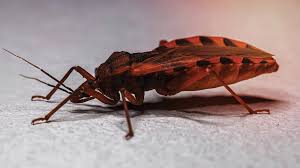
Understanding Kissing Bugs
Kissing bugs, known scientifically as triatomine bugs, are blood-sucking insects common in the Americas, particularly in Southern United States, Mexico, and Central and South America. Their name comes from the habit of biting humans on the face, particularly around the mouth, during the night while they sleep. While these insects are relatively small, measuring about one to four centimeters in length, their significance runs much deeper, primarily due to their association with Chagas disease.
The Threat of Chagas Disease
Chagas disease, caused by the parasite Trypanosoma cruzi, poses a serious health risk. Transmission occurs when a person is bitten by an infected kissing bug, which can carry the parasite in its feces. The disease is often asymptomatic in its early stages but can lead to severe health complications, including heart disease, in the chronic phase, affecting an estimated 6 to 7 million people worldwide.
Current Trends and Case Reports
In recent years, the Centers for Disease Control and Prevention (CDC) has reported increasing cases of Chagas disease in the United States, with a notable rise in infections among individuals who have traveled to endemic regions. This trend raises concerns about local transmission as populations of kissing bugs expand into new areas. Climate change, urbanization, and ecological shifts contribute to the spread of these insects into non-endemic regions, making awareness and prevention crucial.
Prevention and Public Health Awareness
Awareness is the first step toward prevention. Public health officials encourage people to take preventive measures to reduce their risk of contracting Chagas disease. This includes removing potential bug habitats from homes, such as cracks in walls and roofs, using air conditioning, and maintaining clean environments around the house. Additionally, educating communities about recognizing the signs and symptoms of both kissing bug bites and Chagas disease is essential to mitigate this public health threat.
Conclusion
The connection between kissing bugs and Chagas disease highlights the intricate relationship between insects and human health. As kissing bug populations expand, the potential for increased Chagas disease cases grows. Continuous efforts to educate the public about prevention and early detection are vital in combating the threat posed by these insects. With better awareness and proactive measures, communities can protect themselves against Chagas disease, ensuring a healthier future.