Introduction
The Paradise Fire, also known as the Camp Fire, ignited on November 8, 2018, and became one of the deadliest and most destructive wildfires in California’s history. Its significance lies not only in the tragic loss of life and property but also in its lasting impact on fire management policies and community resilience. Understanding the events surrounding the Paradise Fire is crucial as California continues to face devastating wildfires in the increasingly severe climate.
The Events of the Paradise Fire
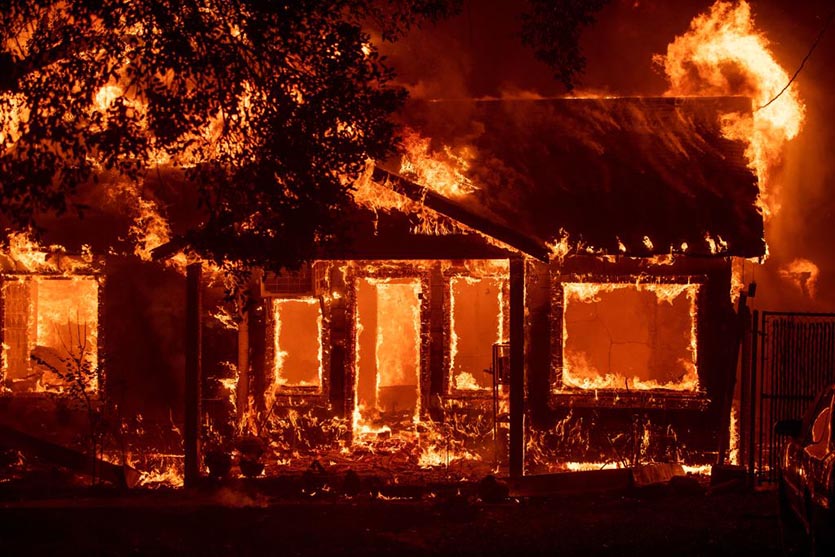
The Paradise Fire erupted in the town of Paradise, California, driven by powerful winds and extremely dry conditions typical of the region during autumn. Within hours, the fire spread rapidly, leading to the evacuation of thousands of residents. By the time the fire was fully contained on November 25, 2018, it had burned over 150,000 acres, destroying approximately 18,800 structures, including nearly 14,000 homes. Tragically, the fire claimed 85 lives, marking it as the deadliest wildfire in California’s history.
The fire’s scale and ferocity caught many off-guard, revealing a critical lapse in emergency preparedness and response. Evacuation routes became congested, and communication was severely hindered, leading to chaos as residents attempted to flee. First responders faced overwhelming challenges, battling the inferno amidst unpredictable wind shifts and difficult terrain.
Changes in Fire Management Policies
In the aftermath of the Paradise Fire, California implemented several changes to improve wildfire preparedness and prevention. Among these changes was an increased focus on vegetation management, aimed at reducing fuel loads in prone areas. Additionally, the state revamped its emergency alert systems to ensure timely notifications to residents about evacuation orders and safety protocols.
Local governments have also begun to assess land use policies, with some advocating for stricter building codes in fire-prone zones. The disaster prompted a widespread discussion about climate change and its implications for future wildfires, sparking debates over resource allocation, fire suppression strategies, and the role of forest management in mitigating wildfire risks.
Conclusion
The Paradise Fire serves as a stark reminder of the threats posed by wildfires in California and the urgent need for effective fire management strategies. As climate change continues to exacerbate weather conditions conducive to wildfires, it is crucial for communities, policymakers, and fire management agencies to work collaboratively in enhancing preparedness and resilience. The lessons learned from the Paradise Fire are not just about addressing past failures but also about creating a safer future as wildfires become an increasingly frequent part of life in fire-prone regions.