Introduction to Coastal Flood Warnings
As climate change continues to influence weather patterns, coastal flood warnings have become increasingly significant for communities, local governments, and emergency services. These warnings are critical in preparing for severe weather events that can lead to hazardous flooding, ensuring the safety of residents in vulnerable coastal areas. With rising sea levels and more intense storm systems, understanding the implications of coastal flood warnings is essential for everyone living in these regions.
Recent Coastal Flood Events
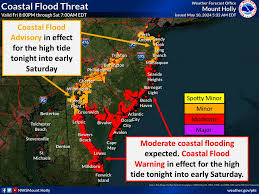
In recent months, various coastal areas across the United States have faced serious flood threats due to hurricanes and nor’easters. For instance, in September 2023, Hurricane Lee caused significant coastal flooding along the Maine coastline, prompting alerts and emergency actions from local officials. The National Weather Service issued coastal flood warnings expanding from New Jersey to Maine, underscoring the vast impact such weather events can have.
These warnings not only alert residents to the immediate risks of flooding but also indicate possible disruptions to transportation and local infrastructure. During Hurricane Lee, many roads were submerged, and residents were advised to stay indoors as the storm progressed. Similarly, recently issued warnings for the Gulf Coast have raised alarms for low-lying areas that historically experience flooding during heavy rains and high tides.
Preparedness and Response
Being prepared for coastal flooding means having an emergency plan in place. Residents are encouraged to stay informed through local news, coastal emergency notifications, and weather alerts. The Federal Emergency Management Agency (FEMA) recommends creating an emergency kit that includes essentials such as water, medications, non-perishable food, and important documents. Additionally, having a plan for evacuation in case of severe flooding is crucial.
Communities are also making proactive moves by investing in better infrastructure and stormwater management systems. Cities in hurricane-prone areas are increasing the elevation of roadways and constructing levees to mitigate the impact of future flooding events.
Conclusion: Looking Ahead
As we look to the future, the frequency and intensity of coastal flooding are expected to increase, making coastal flood warnings a vital component of community safety. Local governments and residents must work collaboratively to prepare for these challenges, adapting to changing environmental conditions while ensuring that emergency protocols keep pace with evolving threats. By staying informed and prepared, communities can significantly reduce risks and protect lives during such weather events.