Introduction: The Emerging Social Media Trend
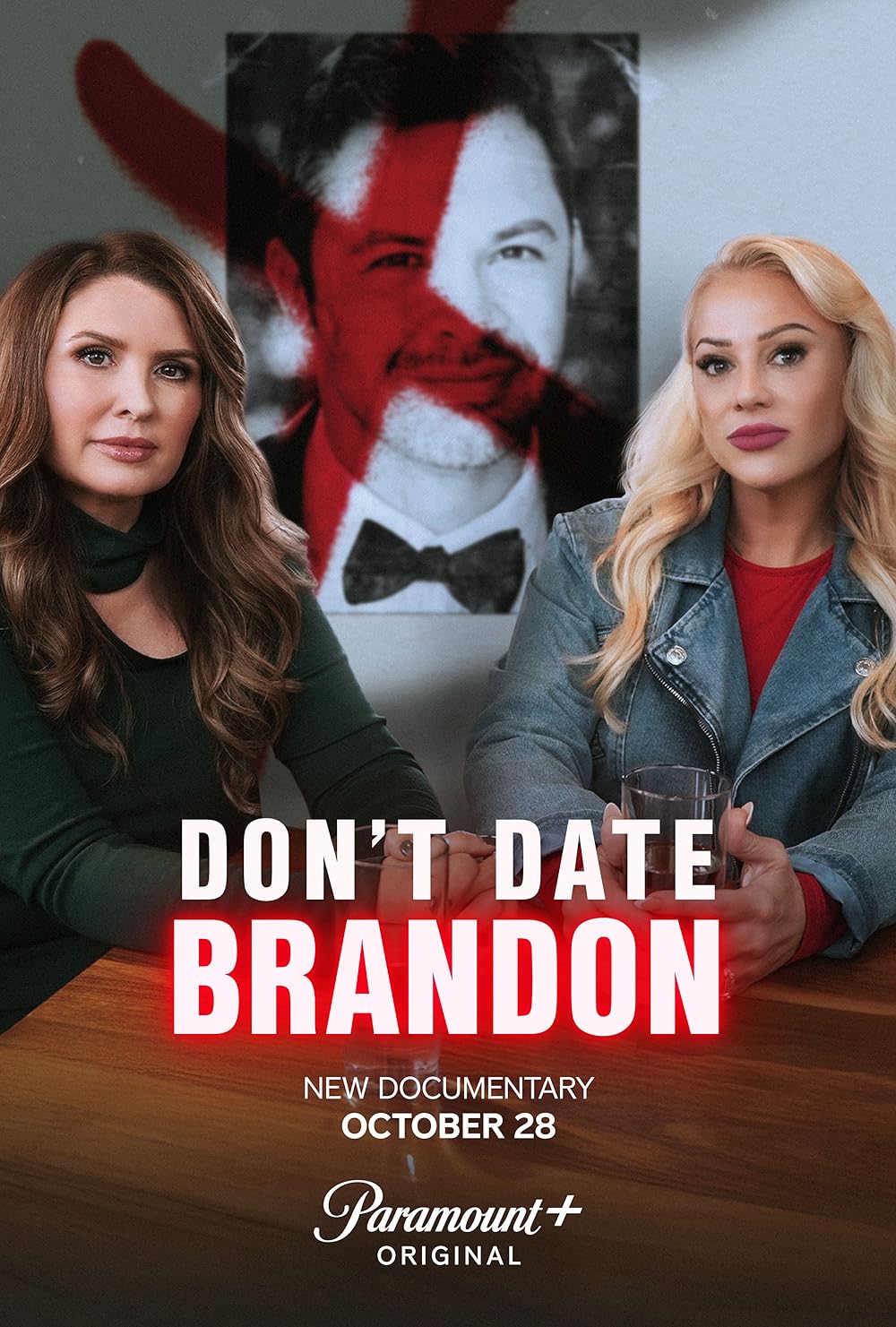
In recent months, the phrase ‘Don’t date Brandon’ has emerged as a viral sensation across social media platforms. Especially popular on TikTok and Twitter, this expression reflects a growing cultural sentiment about dating experiences and the expectations surrounding modern relationships. As discussions about dating behaviors grow, this trend underscores the implications of individual experiences and the collective wisdom shared in the digital age.
The Origin of the Phrase
The phrase ‘Don’t date Brandon’ first gained traction when a TikTok user shared a humorous yet cautionary tale of their romantic experiences with someone named Brandon. The video detailed multiple red flags about dating ‘Brandon’—a character representing self-absorbed and problematic behavior. This sparked a wave of responses, with many users sharing their own ‘Brandon’ stories, creating a tapestry of shared experiences that resonated with those navigating the dating scene.
The Impact on Dating Culture
As the trend spread, it ignited important conversations about red flags in relationships, mutual respect, and how one’s social media presence can significantly impact dating dynamics. The phrase has become a shorthand for discussing narcissistic behavior and other toxic traits that many have encountered in their romantic lives.
Moreover, the popularity of ‘Don’t date Brandon’ has led to a series of comedic yet insightful posts, memes, and discussions among young adults navigating the complexities of modern dating. Many social media users are now more vocal and aware of their choices and experiences, fostering a sense of community support and validation in recognizing unhealthy patterns in dating.
Conclusion: Looking Ahead
The ‘Don’t date Brandon’ trend serves as a cultural moment that highlights the importance of communication, honesty, and self-awareness in relationships. As this phenomenon continues to evolve, it holds the potential to inform and guide future generations of romantics. It encourages individuals to educate themselves on what constitutes healthy and unhealthy behaviors in dating, paving the way for more meaningful interactions.
Ultimately, while the phrase may have started as a humorous warning, it carries significant implications for those engaging in the often tumultuous world of dating. As individuals learn more about the traits to avoid and the experiences of others, the dating landscape could shift towards more positive connections fueled by mutual respect and understanding.