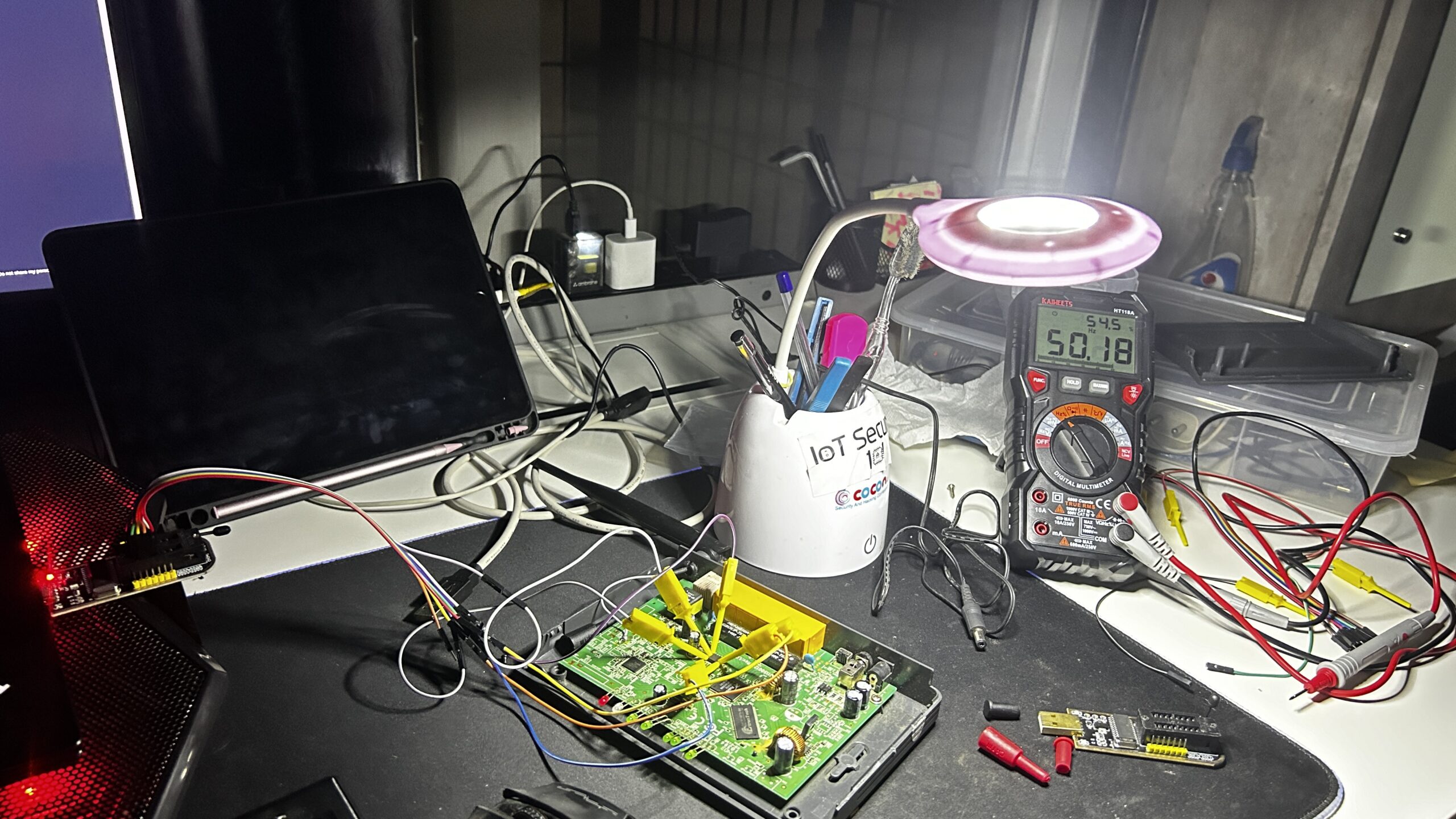
Introduction to the Internet of Things (IoT)
The Internet of Things (IoT) has emerged as a transformative force in the technology landscape, connecting devices and systems in ways previously unimaginable. As the world becomes increasingly interconnected, understanding the implications of IoT is crucial for individuals, businesses, and governments.
The Significance of IoT in Today’s World
IoT encompasses a vast network of physical objects embedded with sensors, software, and other technologies to connect and exchange data with other devices over the internet. According to a recent report by Statista, the number of connected IoT devices worldwide is projected to reach 30.9 billion by 2025. This exponential growth highlights the increasing reliance on IoT in various sectors including healthcare, transportation, and smart homes.
Recent Developments in IoT
In recent months, IoT gained significant attention due to new advancements in edge computing, which allows data to be processed closer to the source, reducing latency and bandwidth usage. Companies like AWS and Microsoft are investing heavily in edge computing solutions tailored for IoT applications. Furthermore, as cybersecurity threats escalate, many organizations are prioritizing IoT security measures to protect the integrity of their connected devices.
Additionally, the ongoing implementation of 5G networks globally is set to greatly enhance IoT capabilities, providing faster and more reliable internet connections for billions of devices. The low-latency features of 5G will empower innovations in autonomous vehicles, remote surgeries, and smart cities.
The Challenges Facing IoT
Despite its potential benefits, the IoT landscape faces several challenges such as interoperability issues and the need for standardization. As various manufacturers create their unique systems, ensuring that devices can communicate effectively remains a hurdle. Moreover, the growing concern regarding privacy and data protection poses significant challenges as vast amounts of personal data are collected through connected devices.
Conclusion: The Future of IoT
The future of the Internet of Things looks promising, but it also necessitates careful consideration regarding security, privacy, and standardization. As IoT continues to evolve, its successful integration into everyday life will depend on collaborative efforts across industries to address these critical challenges. For consumers and businesses alike, staying informed about IoT trends and developments will be essential in harnessing its full potential and mitigating risks.