The Significance of Warfare in Global Context
Warfare has shaped human history and societies since time immemorial. From ancient battles fought with swords and shields to modern conflicts involving advanced technology and cyber tactics, the art of war is continuously evolving. Understanding these developments is crucial as they affect international relations, security policies, and the lives of civilians around the globe.
Recent Trends in Warfare
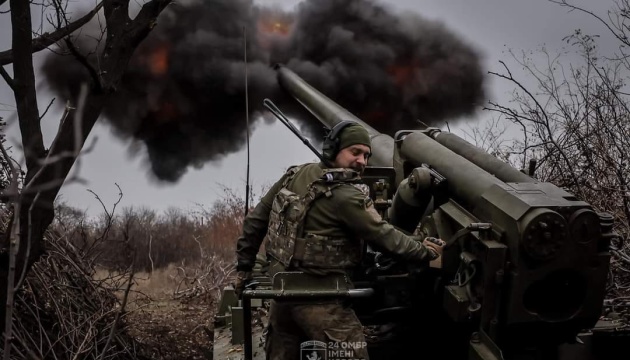
In recent years, the nature of warfare has undergone significant changes, primarily propelled by technological advancements. The rise of autonomous drones, artificial intelligence, and cyber warfare represents a new paradigm that confronts traditional military strategies. As of October 2023, reports indicate that nations are investing heavily in cyber capabilities to protect critical infrastructure from malicious state and non-state actors. Notably, Russia’s activities in Ukraine have underscored how hybrid warfare—integrating conventional military force with information warfare and cyber operations—has become a fundamental aspect of modern conflict.
The Role of International Relations
The dynamics of warfare are heavily influenced by international relations. The geopolitical landscape is increasingly complex, with traditional alliances shifting amid growing powers in Asia, such as China and India. These developments prompt a reevaluation of military strategies and alliances. For example, NATO’s expansion and collaborative efforts to counter looming threats signal the importance of coordinated defense strategies among allied nations.
Implications for Civilians
The consequences of modern warfare extend beyond the battlefield, impacting millions of civilians. Increasingly, conflicts spill over into humanitarian crises marked by mass displacements and refugee situations. The ongoing war in Ukraine has resulted in millions fleeing their homes, emphasizing the urgent need for international humanitarian efforts. Furthermore, with non-state actors becoming more prominent in armed conflicts, ensuring the protection of non-combatants remains a critical challenge for governments and international organizations.
Conclusion: The Future of Warfare
As technological advancements continue to reshape warfare, it is essential for nations to adapt and prepare for future conflicts that may be even more complex and unpredictable. Understanding the current trends and implications of warfare will equip policymakers, scholars, and the general public with the tools necessary to navigate the challenges ahead. The conversation about modern warfare is not just about military strategies; it encapsulates discussions about global security, humanitarian principles, and the ethical dimensions of conflict.