Introduction
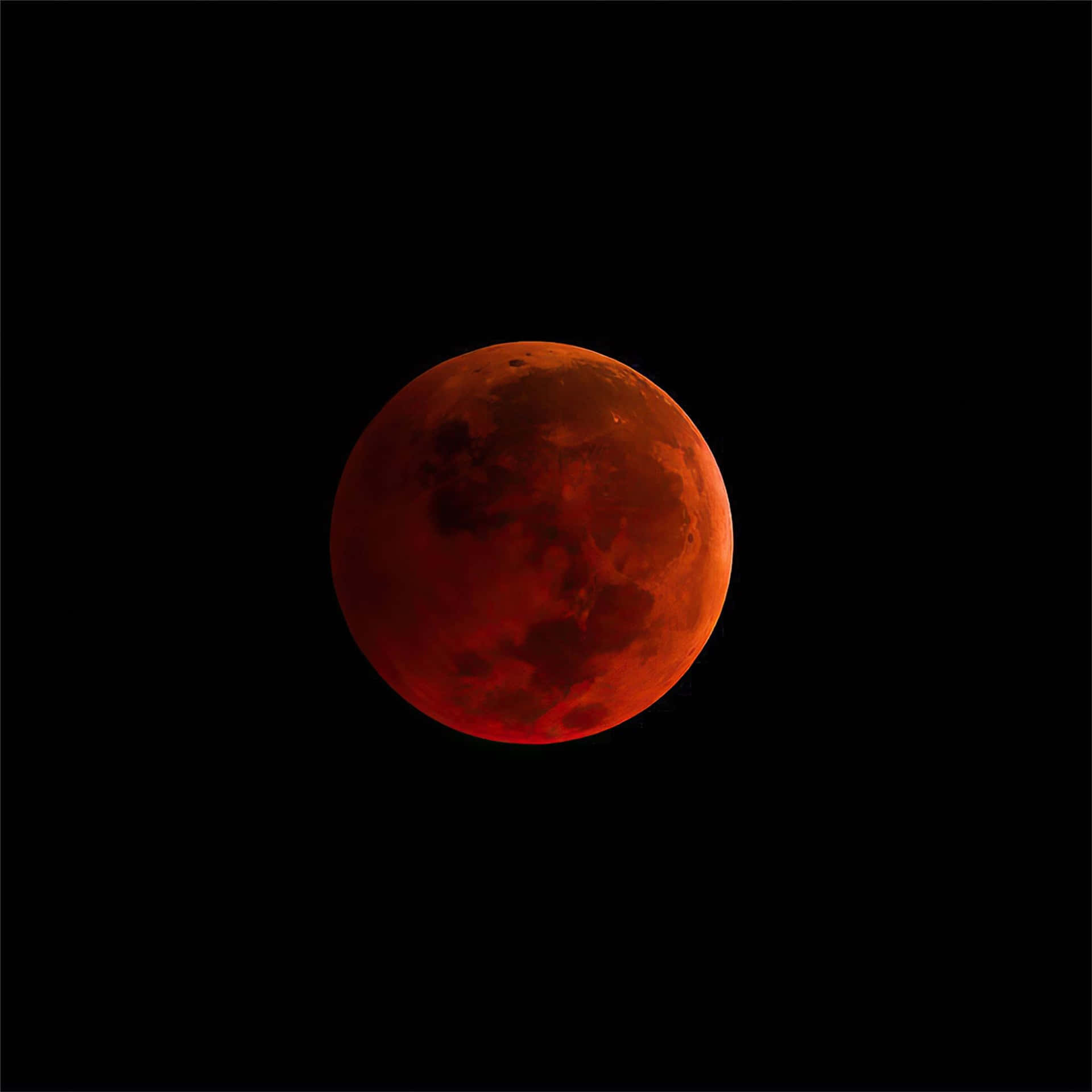
The Blood Moon, a captivating astronomical phenomenon, occurs during a total lunar eclipse when the Earth positions itself between the Sun and the Moon. This positioning allows the Earth’s shadow to encompass the Moon, resulting in a striking red hue. The significance of the Blood Moon stretches beyond mere aesthetics; it has historical, cultural, and scientific implications that resonate with many around the world.
The Science Behind the Blood Moon
During the lunar eclipse, sunlight passes through the Earth’s atmosphere, filtering out blue light, and scattering it. The remaining red light is cast onto the surface of the Moon, giving it a deep reddish color. This phenomenon can be viewed without a telescope, making it accessible to stargazers and casual observers alike. The intensity of the red coloration can vary based on atmospheric conditions, such as volcanic eruptions or pollution that can scatter light.
Recent Events and Significance
The last total lunar eclipse, which resulted in a Blood Moon, took place on November 8, 2022. It was widely visible across North America, parts of Asia, and Australia, drawing attention from both enthusiasts and photographers eager to capture the moment. The upcoming Blood Moon is anticipated on March 14, 2025, according to NASA. Such celestial events often spark curiosity and provide opportunities for educational discussions about astronomy and our solar system.
Beyond its scientific interest, the Blood Moon is rich with folklore and symbolism. Many cultures across the globe have interpreted the Blood Moon as an omen or a signal of change. For instance, Native American tribes have seen it as a time for reflection and introspection, while various ancient civilizations regarded it as a time to renew agriculture and societal structures.
Conclusion
The Blood Moon is more than just a breathtaking sight; it invites us to explore the wonders of our universe while reflecting on our place within it. The fascination surrounding this celestial event not only engages the scientific community but also connects people across cultures and generations. As we look forward to the next occurrence in March 2025, it is an opportunity for enthusiasts and newcomers alike to witness this extraordinary phenomenon and appreciate the mysteries that lie beyond our planet.