Introduction
The Manchester attack, which occurred on May 22, 2017, during an Ariana Grande concert at the Manchester Arena, remains one of the most devastating events in recent British history. This tragedy, which resulted in 22 fatalities and over 800 injuries, not only disrupted lives but also reverberated worldwide. Understanding its significance is crucial as it highlights ongoing concerns about terrorism and public safety in crowded venues.
Details of the Attack
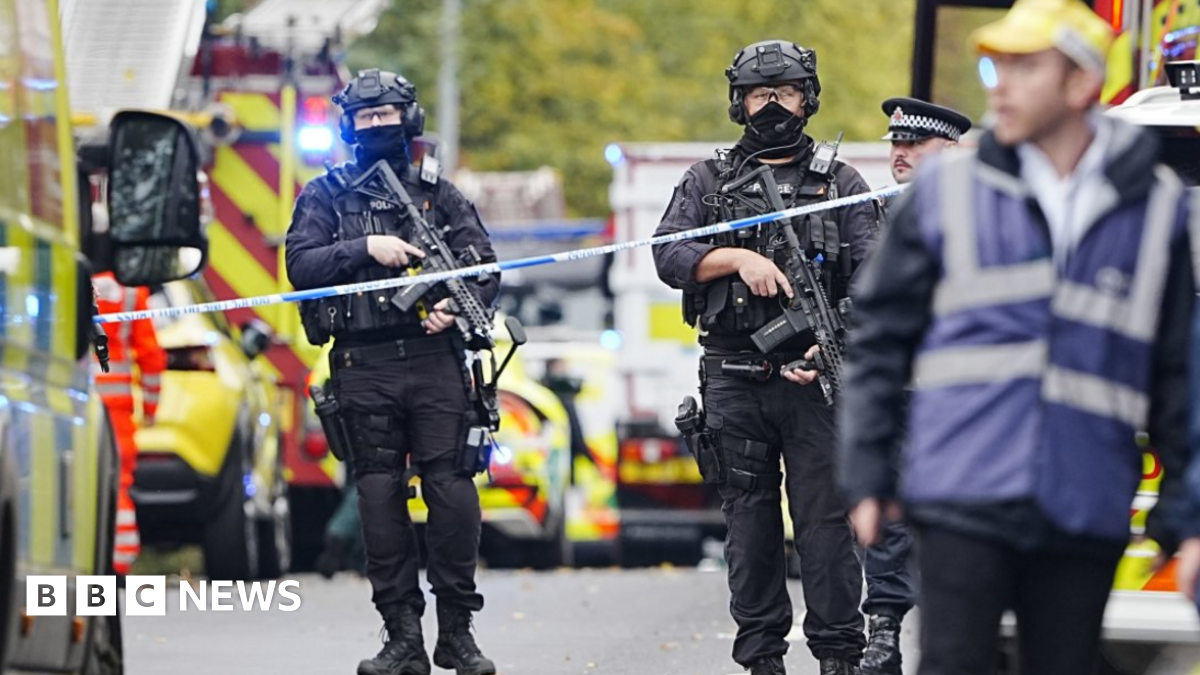
On that fateful evening, a suicide bomber named Salman Abedi detonated an explosive device in the arena’s foyer as concert-goers were exiting the venue. This brutal act of violence was claimed by ISIS, emphasizing the group’s intent to instill fear and chaos. The emergency response was swift, with police, firefighters, and medical services working diligently to assist victims. Public gatherings and concerts were subsequently impacted as security measures tightened across various venues.
Reactions and Responses
The aftermath of the attack prompted a significant increase in security across the UK and beyond. The government initiated several investigations and policies focusing on counter-terrorism, enhancing surveillance, and improving community safety. Memorials and tributes, such as the ‘One Love Manchester’ concert organized by Ariana Grande, showcased an outpouring of support and solidarity from around the world, uniting communities against hatred.
Long-term Implications
In the years following the attack, discussions surrounding mental health support for survivors and victims’ families gained prominence. Many have since grappled with emotional and psychological wounds from that night. The Manchester attack heightened awareness around radicalization, leading to greater community engagement initiatives aimed at deradicalization and fostering understanding among diverse groups.
Conclusion
As we reflect upon the Manchester attack, it is imperative to recognize its lasting impact on society, culture, and policy. It serves as a tragic reminder of the threats posed by extremism but also of the resilience of communities coming together during times of crisis. Looking forward, the challenge remains not only to secure public spaces but also to build a society that stands united against violence and discrimination. The lessons learned from this event continue to inform strategies in managing public safety and responding to the lingering threat of terrorism.