Introduction
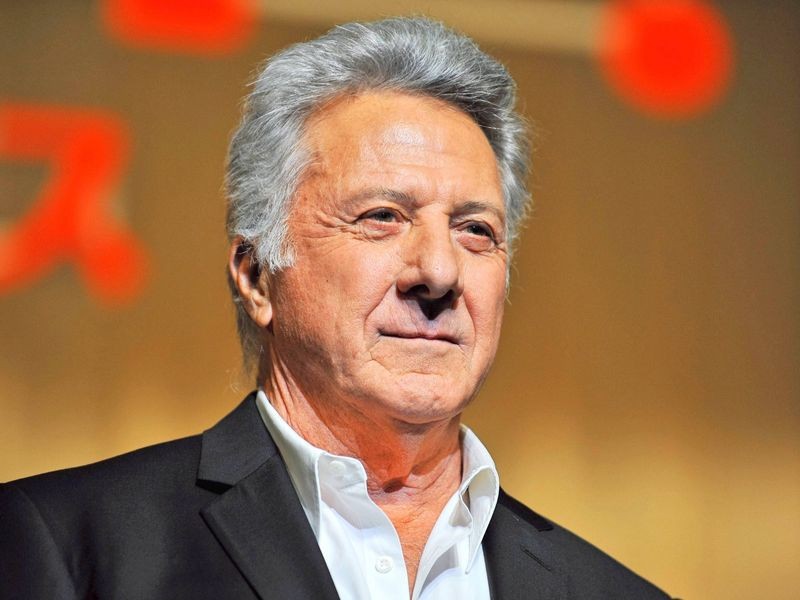
Dustin Hoffman is an iconic figure in American cinema, celebrated for his versatility and profound performances across various genres. Born on August 8, 1937, in Los Angeles, California, Hoffman’s career spans over six decades, making him a significant influence in the film industry. His multifaceted portrayals have not only captivated audiences but have also shaped the New Hollywood movement. Understanding his contributions provides insight into the evolution of character-driven storytelling in cinema.
Career Highlights
Hoffman’s career took off with his role in The Graduate (1967), where he played the disillusioned Benjamin Braddock. This performance not only earned him critical acclaim but also established him as a leading actor of his generation. Following this success, Hoffman’s portfolio expanded with notable films such as Rain Man (1988), for which he won an Academy Award for Best Actor, and Tootsie (1982), a role that showcased his comedic prowess.
In addition to his acting accolades, Hoffman has worked with some of the most revered directors in the industry, including Mike Nichols, Sydney Pollack, and Barry Levinson. His collaborations have often resulted in cinematic classics and have left a profound impact on film artistry. Overall, Hoffman’s ability to inhabit diverse characters, from dramatic to comedic, has cemented his legacy as a Hollywood legend.
Recent Work and Legacy
In recent years, Dustin Hoffman has continued to take on challenging roles and remains actively engaged in the film industry. His performance in The Meyerowitz Stories (2017) demonstrated his enduring talent and commitment to exploring complex narratives. Moreover, Hoffman has transitioned into directing with films such as Quartet (2012), indicating his desire to shape the storytelling landscape further.
Hoffman’s influence extends beyond acting into social issues, as he has often been an advocate for various causes, including autism awareness and children’s education. His philanthropic efforts and participation in community initiatives reflect his dedication to using his platform for positive change.
Conclusion
Dustin Hoffman remains a towering figure in the world of film, embodying the depth and complexity that cinema can offer. His illustrious career has transformed the way audiences perceive character-driven performances and has paved the way for future generations of actors. As he continues to work, fans and emerging artists alike can anticipate more powerful storytelling inspired by his rich legacy. Hoffman’s commitment to his craft and social responsibility illustrates that he is not only an actor but also an influential cultural icon whose contributions will be felt long into the future.