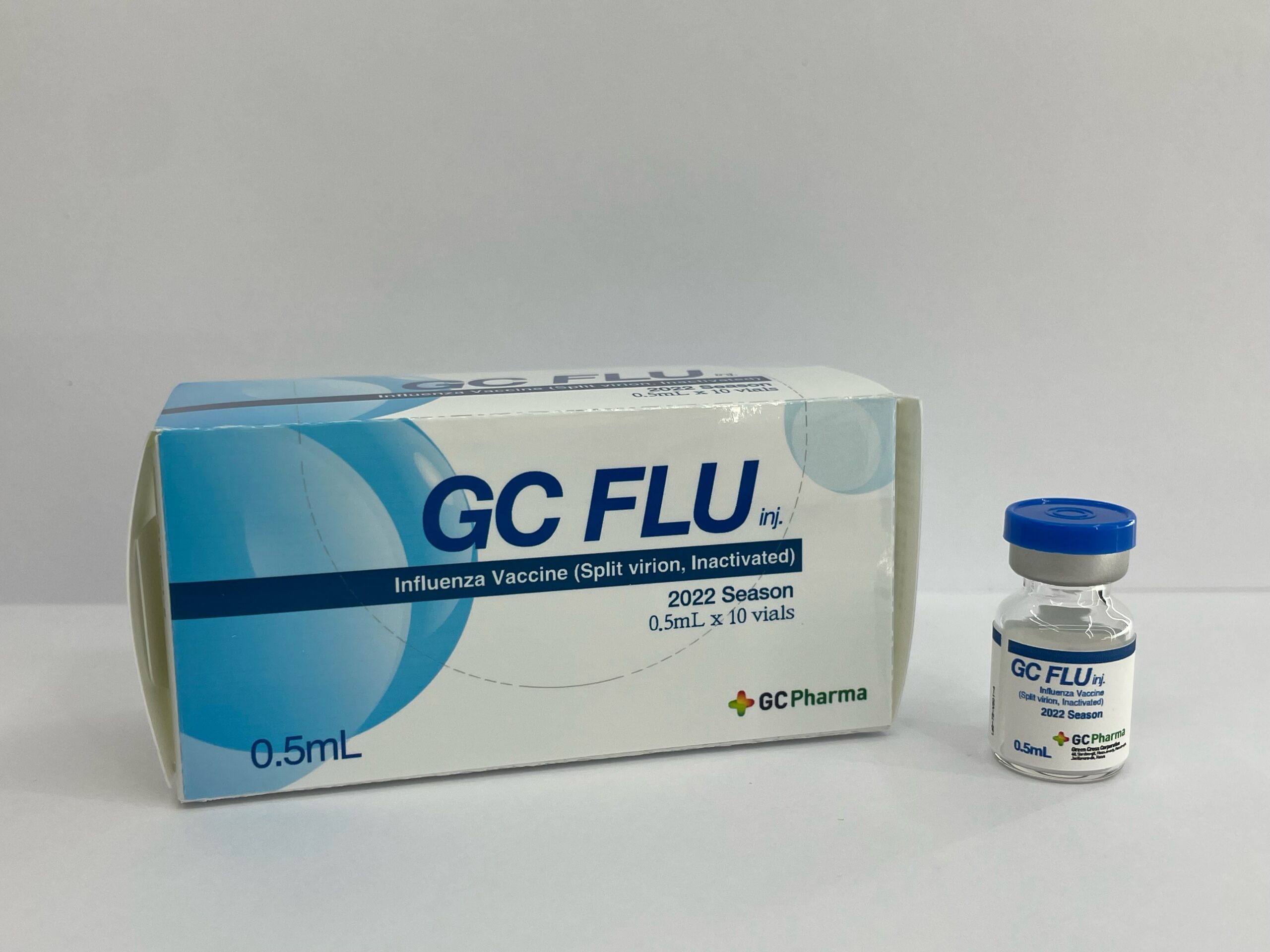
Introduction to Flu Shots
As the flu season approaches in the United States, the significance of flu shots becomes increasingly apparent. Vaccination not only protects individuals but also helps shield communities from widespread outbreaks. According to the Centers for Disease Control and Prevention (CDC), flu can lead to serious illnesses, hospitalizations, and even fatalities, particularly among high-risk groups such as the elderly, young children, and those with underlying health conditions. Therefore, understanding the importance of flu vaccination is essential for public health.
Current Vaccination Landscape
Data from the CDC indicates that as of October 2023, flu vaccination rates have seen a modest increase nationwide, with approximately 36% of adults and 55% of children vaccinated so far this season. The vaccination campaign has been bolstered by increased public awareness and outreach programs that emphasize the safety and efficacy of flu shots. This season’s vaccine has been formulated to combat predominant circulating strains, making it a key tool in mitigating the impact of influenza.
Public Health Benefits
The benefits of getting a flu shot extend beyond individual protection. Vaccination contributes to herd immunity, which protects vulnerable populations who may not be able to receive the vaccine themselves. Widespread flu vaccination can reduce the overall incidence of the virus, significantly lowering hospital admissions and healthcare costs associated with treating flu-related illnesses. In fact, the CDC estimates that influenza vaccination prevented an estimated 7.5 million illnesses, 3.7 million medical visits, and 105,000 hospitalizations during the previous flu season.
Challenges and Considerations
Despite the public health benefits, challenges remain in achieving higher vaccination rates. Misinformation about vaccine safety and effectiveness can deter individuals from getting vaccinated. Additionally, accessibility issues in underserved communities can exacerbate disparities in vaccination coverage. Public health officials are actively working to address these challenges by launching educational campaigns and improving access to flu shots in areas with low vaccination rates.
Conclusion and Outlook
As the flu season progresses, the importance of flu shots cannot be overstated. Health experts encourage everyone, especially those in high-risk categories, to get vaccinated as soon as possible. With ongoing efforts to increase public awareness and improve access, the hope is to achieve higher vaccination coverage, leading to better health outcomes and decreased flu transmission. Staying informed and proactive about flu vaccinations can ultimately play a crucial role in protecting both individual and public health during this critical season.