Introduction
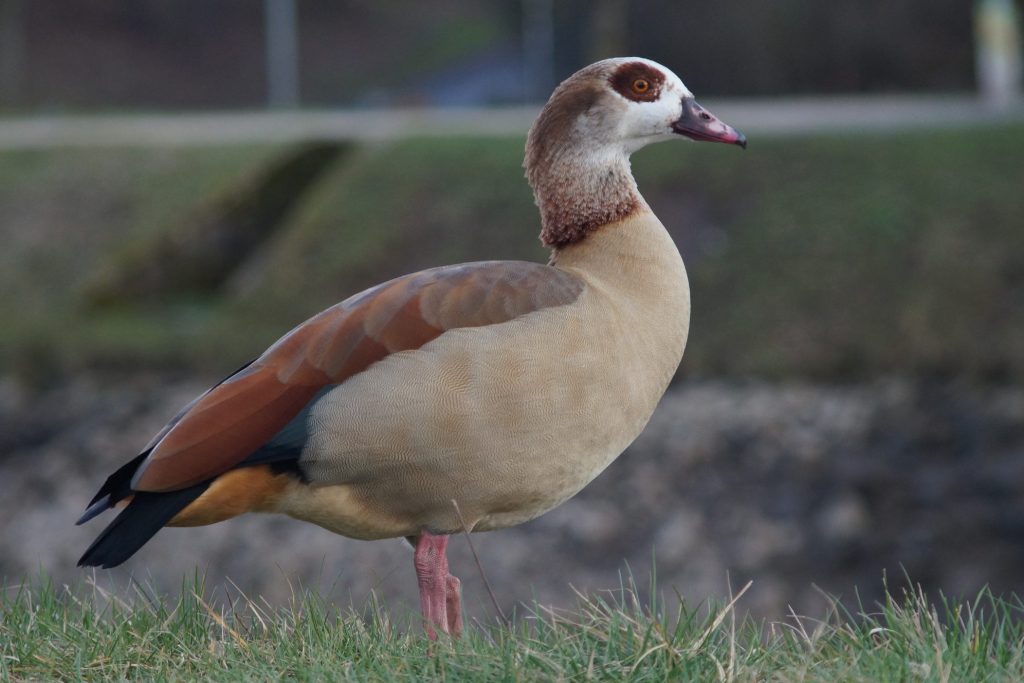
Geese, often seen in parks and near water bodies, play a crucial role in maintaining the ecological balance. These migratory birds are not only a source of fascination for bird watchers but also have substantial impacts on the environments they inhabit. Their presence often indicates the health of an ecosystem, making the study of geese essential for conservation efforts.
Habitat and Behavior
Geese are found in various habitats across North America, including wetlands, grasslands, and agricultural areas. They are social animals that typically form strong family bonds, with a typical family consisting of a mating pair and their goslings. Most geese form large flocks, especially during migration, demonstrating complex social behaviors and communication skills.
As migratory birds, geese travel thousands of miles between their breeding and wintering grounds. The migratory patterns of geese can vary significantly among species, depending on environmental conditions and food availability. For example, the Greater White-fronted Goose migrates from the Arctic to southern parts of North America, showcasing remarkable adaptability and resilience.
Significance in Ecosystems
Geese contribute to the ecosystem in several ways. Firstly, they aid in seed dispersal, which is vital for plant reproduction and biodiversity. Their feeding habits also help control the growth of aquatic vegetation, preventing overgrowth that can choke water bodies and negatively impact other wildlife.
However, geese populations can sometimes become a nuisance, especially in urban areas where they are known to overgraze lawns and leave behind waste. This has led to various management strategies being implemented in cities, including habitat modification and population control to ensure a balance between wildlife and human activities.
Conclusion
Understanding the behavior and ecological importance of geese is crucial, especially as communities seek to coexist with these birds. Conservation efforts must consider the role of geese in their environments, emphasizing the need to protect their habitats while managing their populations in urban settings. As climate change continues to affect migratory patterns, stakeholders must keep an eye on geese populations to ensure biodiversity is preserved. For bird enthusiasts and ecology advocates, the presence of geese can lead to more significant awareness and action in conservation efforts, underscoring their vital place in our natural world.