Introduction
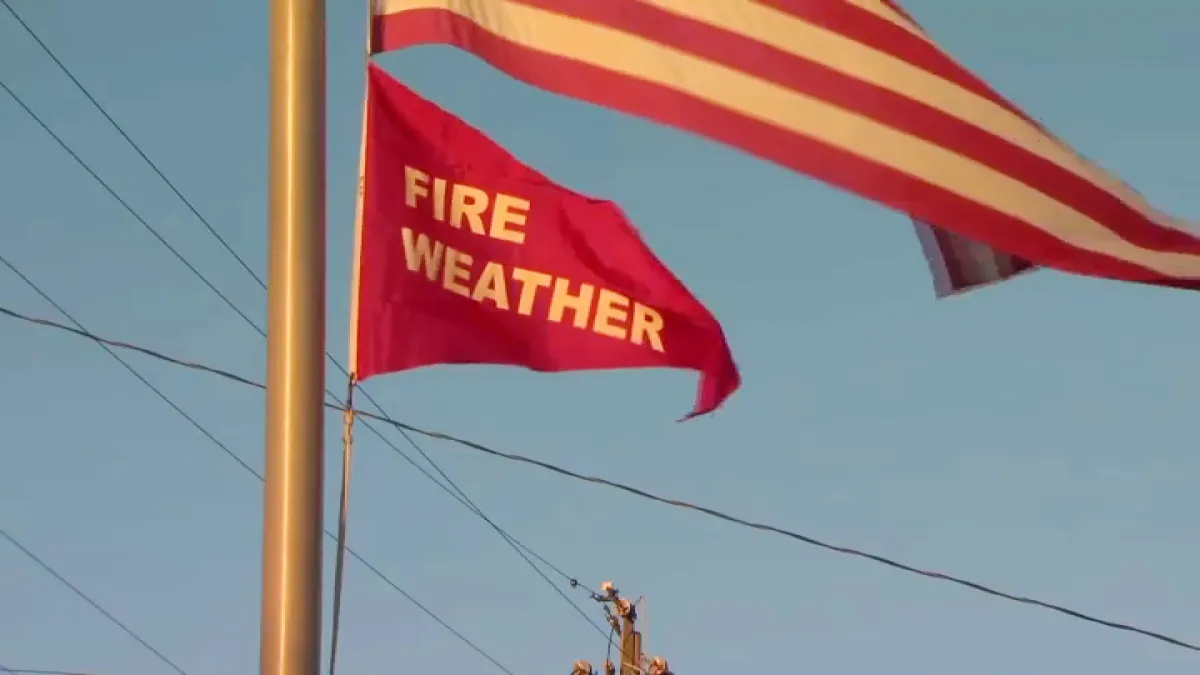
As climate patterns shift and weather conditions become increasingly volatile, fire weather watches have emerged as a critical aspect of environmental safety. These alerts, issued by the National Weather Service (NWS), indicate extreme fire danger conditions that can lead to wildfires. Understanding the significance of these watches is essential for residents in affected areas, outdoor enthusiasts, and emergency responders alike.
What is a Fire Weather Watch?
A fire weather watch serves as a warning that favorable conditions for wildfires are imminent. These conditions typically include low humidity, high winds, and dry vegetation. Fire weather watches are issued 12 to 72 hours in advance, allowing communities to prepare for potential fire outbreaks. The issuance of these watches is part of a broader framework to prevent wildfire damage and enhance public safety.
Recent Events and Statistics
In 2023, numerous regions across the western United States faced severe drought conditions, prompting an increase in fire weather watches. For instance, California recorded a record number of fire weather watches this summer, leading to an escalation in wildfires and air quality concerns. In August alone, the state experienced over 150,000 acres burned due to wildfires, driven by extreme heat and dry winds.
According to the National Interagency Fire Center (NIFC), the 2023 fire season has resulted in more than 7,000 wildfires across the nation, destroying homes and threatening wildlife. The ongoing dry conditions combined with projected high winds highlight the increasing necessity of fire weather watches for prevention and timely responses.
How to Respond to a Fire Weather Watch
When a fire weather watch is issued, it’s essential to take proactive steps to reduce fire risk. Residents are encouraged to:
- Avoid outdoor burning.
- Clear dry vegetation and debris from around their property.
- Have an emergency plan in place that includes evacuation routes and safety measures.
Local agencies often host informational meetings or provide guidance via social media to help residents prepare for potential fire hazards during these critical periods.
Conclusion
Fire weather watches are a crucial component of wildfire management strategies, especially in an era of unrelenting climate change. These alerts not only prepare communities for potential threats but also foster awareness of the current environmental conditions that increase wildfire risks. Staying informed and vigilant during a fire weather watch can significantly mitigate damages and save lives. As we continue to face unpredictable weather patterns, embracing proactive measures is paramount for safety and conservation.