The Role of Interest Rates
Interest rates play a critical role in the economy, affecting everything from inflation to consumer spending and investment. As central banks like the Federal Reserve adjust their monetary policies, the overall impact ripples throughout financial markets and individual finances. In 2023, interest rates are particularly relevant as economic recovery remains a focus amid ongoing global challenges.
Current Trends in Interest Rates
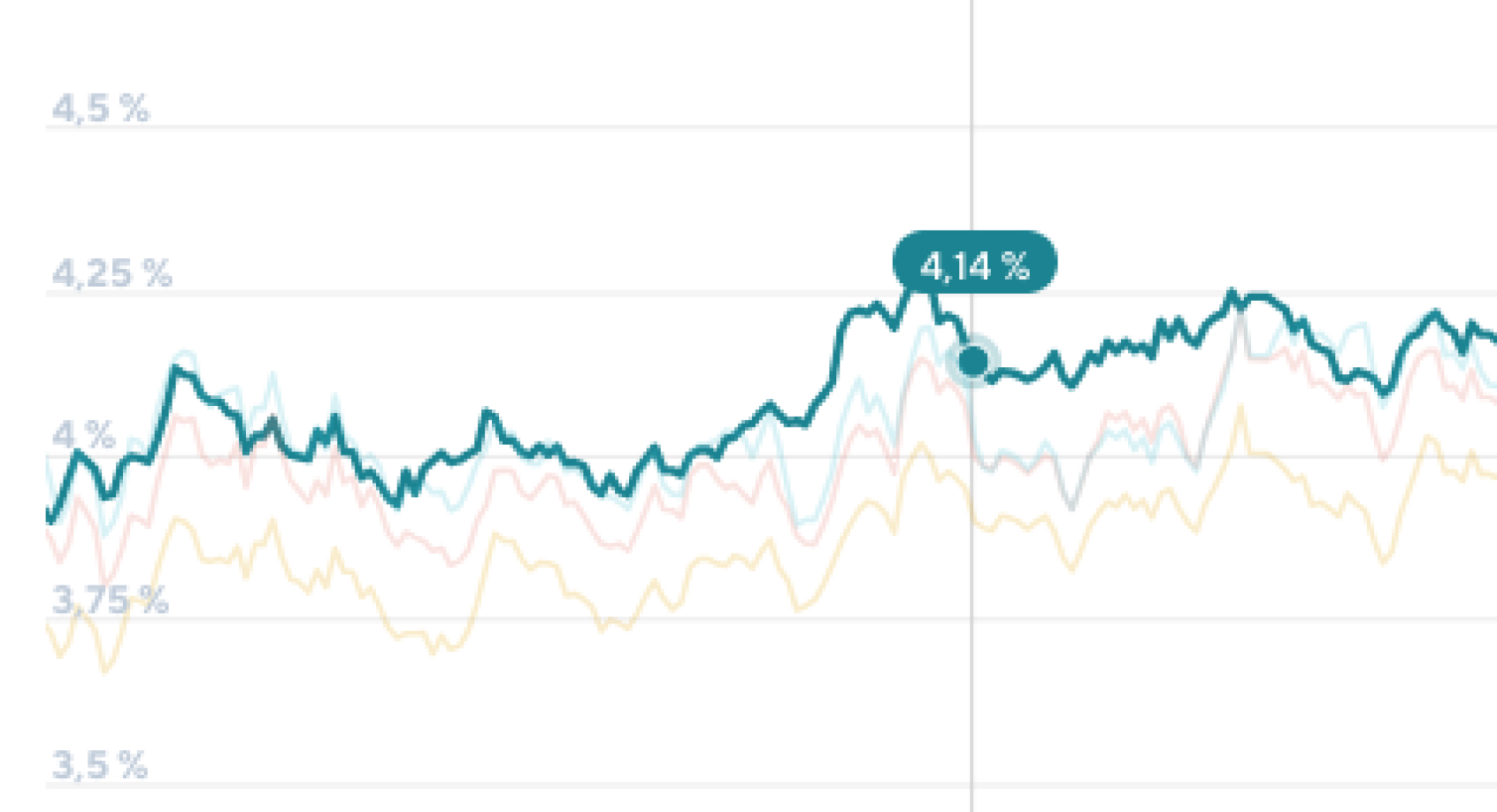
As of October 2023, the Federal Reserve has implemented a series of interest rate hikes aimed at curbing inflation, which reached 6.2% earlier this year. The ongoing battle against inflation has seen interest rates rise to a range of 5.25% to 5.50%, the highest level in over 20 years. This aggressive approach has not only influenced mortgage rates and auto loans but has also altered the dynamics in the stock and bond markets.
Impacts on Consumers and Businesses
Higher interest rates lead to increased borrowing costs, which can depress consumer spending and slow down business investments. For consumers, this means that mortgages, credit cards, and personal loans become more expensive. According to recent data from the Mortgage Bankers Association, mortgage applications have decreased by 18% since the beginning of the year, indicating that higher rates are cooling the housing market.
Conversely, banks may see increased profit margins from lending as they pass higher rates onto borrowers, although the overall demand for loans is likely to decline. Businesses may also hesitate to take on new projects or expand due to rising financing costs, leading to slower job growth and economic expansion.
Future Outlook on Interest Rates
Looking ahead, economists predict that the Federal Reserve will maintain its vigilant stance on inflation until it shows clear signs of cooling. Some experts believe we may see slight adjustments in rates by mid-2024, depending on inflation trends and employment data. However, the prevailing sentiment is that interest rates are likely to remain elevated for the foreseeable future to ensure price stability and sustainable growth.
Conclusion
Interest rates are a vital indicator of economic health, and their implications extend far beyond finance. As consumers and businesses navigate higher borrowing costs, understanding these rates will be essential for making informed economic decisions. Staying informed about interest rates could help individuals and businesses better prepare for the financial landscape ahead.